
-
 Shopping Cart (0)
Cart Total:
Your cart is currently empty..
Empty Vape Hardware Guide
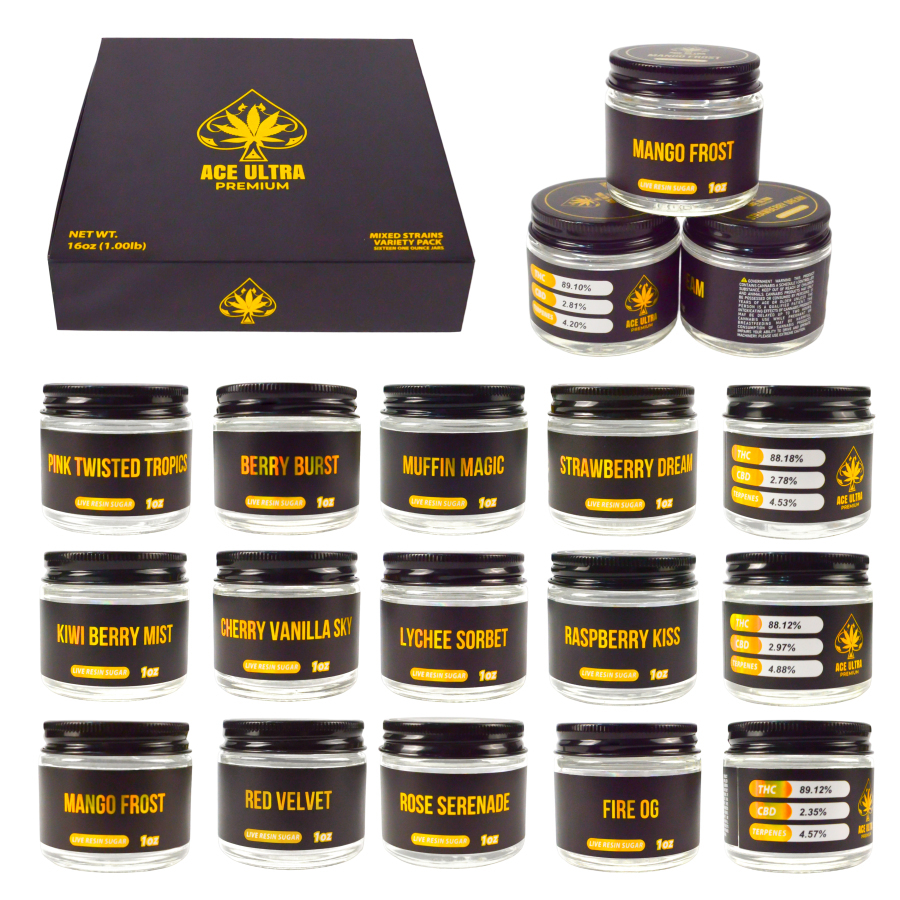
Concentrate Packaging Guide for Brands: Jars, Labels, COA Systems & Storage Solutions
- Saturday, 29 August 2026
- 0
- 186
- 0
For concentrate brands, packaging is more than a container. It protects product quality, supports compliance requirements and influences how customers perceive the brand.
From glass jars and labeling systems to COA verification and storage solutions, every packaging component affects product protection and supply chain efficiency.
This guide explains the key considerations brands and wholesale buyers should evaluate when selecting concentrate packaging solutions.
Important Notice: This article discusses empty vape hardware only. No oil, nicotine, cannabis, concentrate, e-liquid or filled consumable product is included.
Key Takeaways
- ✓ Choose packaging based on product protection, compliance requirements and brand positioning.
✓ Glass jars are widely used for concentrate products because of their stability and premium appearance.
✓ Proper sealing helps reduce oxidation, contamination and texture changes.
✓ QR-code based COA systems improve transparency and batch traceability.
✓ Packaging design should balance protection, cost and supply chain efficiency.
Compliance-First Packaging Design
When you design packaging for cannabis concentrates, you must follow rules first. Each state has its own rules. All states need child-resistant (CR) features and tamper-evident seals. CR glass jars are now the top choice. They keep products safe and look high-end. Following Concentrate packaging trends means starting with rules and then adding more.
Navigating Child-Resistant and Tamper-Evident Standards
You must meet strict testing rules. ASTM D3475-2024 is the main standard for child-resistant packaging. It replaces 16 CFR 1700.20 in some states. The testing uses two groups. A group of 200 children and a group of 100 older adults test your packaging. Children under 5 must fail to open your package in 5 minutes. Your packaging must work 95% of the time to pass. This is higher than the old rule that needed 85%.
| Aspect | Details |
|---|---|
| Applicable Standard | ASTM D3475-2024 (takes the place of 16 CFR 1700.20 in some states) |
| Required Test Panels | 200 children + 100 older adults |
| Child-Resistance Threshold | 95% success (up from 85% in older rules) |
| Test Condition | Kids under 5 must not open it in 5 minutes |
| Adopting States | Minnesota, New York, New Jersey, Missouri, Ohio, Maryland, Connecticut |
These standards work. Child-resistant packaging has made a big difference.
- How often kids under 5 got into regulated substances dropped from 5.7 per 1,000 kids in 1973 to 3.4 per 1,000 kids in 1978. That is a 40% drop.
- About 200,000 accidental poisonings were stopped by child-resistant closures between 1973 and 1978.
- The overall rate of kids dying from poisoning fell from 2.0 per 100,000 to 0.5 per 100,000 over 20 years.
You must also add tamper-evident seals. These seals show clear signs if someone opened the package. They give your customers peace of mind that no one touched their product. Many states want both CR and tamper-evident features on your packaging.
Material Safety and Food-Grade Certifications
You cannot skip material safety. Every part of your jar matters. The glass, the lid, and the liner must all be food-grade. They must be inert. That means they do not react with your concentrate. They will not leak chemicals into your product.
FDA Food Contact Safety certification says your materials are safe for direct contact with things people eat or use. ISO 22000 certification covers how the materials are made. It makes sure your materials are made under strict food safety rules.
Some materials may be made according to parts of 21 CFR about indirect food additives and material safety rules. This paperwork is material-level proof that the material meets FDA food-grade rules.
Many makers now offer glass CR jars that are certified under 16 CFR §1700.20. These jars are labeled as FDA food-grade. This shows they are safe for direct contact with your cannabis concentrates. You should always check these certifications before picking a supplier. These certifications show the most important Concentrate packaging trends in safety and openness.
Preserving Product Integrity: The Science of the Jar
Your jar choice directly affects how your concentrate tastes, smells, and feels. The wrong container can ruin your product within days. The right one keeps it fresh for months. Understanding the science behind the jar helps you make smart decisions that protect your investment and brand reputation.
Glass vs. Plastic: Inert Properties and Terpene Preservation
Glass stands as the clear winner for concentrate storage. Its non-porous surface does not react with your product. It locks in the full aromatic profile without absorbing or reacting with compounds. Plastic containers create problems. Their porous structure traps trichomes and attracts dust through static charges. Plastic may also leach chemicals into your concentrate, causing terpene loss and a dull aroma. You lose the delicate flavors and aromas that make your product stand out in the market.
The differences between glass and plastic are significant. You can see the impact across three key storage factors. Each factor directly affects your concentrate quality.
| Storage Factor | Glass Jars | Plastic Containers |
|---|---|---|
| Terpene preservation | Non-porous and chemically inert; locks in full aromatic profile without absorbing or reacting with compounds | Porous; traps trichomes, attracts dust via static, may leach chemicals causing terpene loss and dull aroma |
| Seal & oxidation control | Airtight, gasket-lined lids with vacuum-seal or pop-seal features limit oxygen exposure, preventing terpene and cannabinoid breakdown | Seals weaken over time due to warping, allowing oxygen in and accelerating degradation |
| Light & temperature protection | Amber or opaque glass blocks UV rays and resists temperature swings, protecting terpenes and cannabinoids | Allows light penetration and absorbs heat, accelerating degradation in bright or humid retail settings |
You gain clear advantages with glass. The airtight seal keeps oxygen out. The UV protection stops light damage. The material resists temperature changes. These features preserve your terpene profile and cannabinoid content. Amber or opaque glass provides the best light protection for retail shelves. This choice aligns with current Concentrate packaging trends focused on quality.
Jar Size, Headspace, and Seal Integrity
Jar size matters more than you might think. Common sizes vary to accommodate different fill amounts. Each size serves a different purpose. A small jar works well for small-batch samples or single-use portions. A medium jar fits the standard fill nicely. A larger jar fits bigger quantities for regular customers. Your choice affects fill capacity, headspace, and overall footprint. A smaller jar takes up less shelf space and looks more premium on display.
Headspace is the empty air inside your jar after filling. Too much headspace means too much oxygen. Oxygen degrades your terpenes and cannabinoids over time. It turns your product dry and flavorless. You want the smallest possible headspace for the best preservation.
Fill jars at least 70% full to minimize headspace, reducing oxygen exposure and slowing cannabinoid oxidation.
This rule protects your product quality. Match your jar size to your fill amount. If you sell 1g portions, do not use a 9ml jar. The large headspace will damage your product. Choose a 3ml or 4ml jar instead. The limited headspace minimizes residual air interaction with concentrates, reducing contamination and degradation. Your customers get a fresher, more potent product every time.
Limited headspace inside containers minimizes residual air interaction with concentrates, reducing contamination and degradation.
Seal integrity completes the picture. A proper seal prevents leakage and maintains texture. Your concentrate type determines the seal needs. Sauces and live resins need a tight seal to keep moisture in. Shatters and waxes need a seal that prevents air from drying them out. Gasket-lined lids with pop-seal features give you the best protection. They lock in freshness and show clear signs of tampering. The liner material also matters. Choose the right liner for your specific product type.
Your packaging choices directly impact product quality. Glass jars with proper seals and correct headspace keep your concentrates fresh, potent, and flavorful. These factors define the current Concentrate packaging trends in product protection. Choose your jars wisely and your product will shine.
How Brands Choose Concentrate Packaging Suppliers
When evaluating packaging suppliers, brands should consider:
- Material specifications
- Child-resistant options
- Custom printing capability
- Label compatibility
- MOQ requirements
- Production lead time
- Quality inspection process
- Packaging customization support
Labeling and the Integrated Certificate of Analysis (COA)
Your label does more than show what the product is. It tells people about safety, strength, and rules at a single look. A bad label confuses buyers and draws extra attention from regulators. A clear label builds trust and makes people buy again. You need to mix required details with good design. This balance is what modern Concentrate packaging trends are about.
Designing for Clarity: Essential Label Elements and Legibility
Your label must have certain parts to meet state rules. THC and CBD amounts, batch numbers, warnings, and age limits all go on the front or back. You also need state-specific signs and disclaimers. These parts change by state. Arkansas has different rules for concentrates, extracts, and flower products. Oregon wants universal symbols and activation times on concentrate packages. Always check your state's rules before you finish any design.
Label strength matters just as much as what is on it. Your label must stand up to oil and tearing. Concentrates often leave residue on jar surfaces. A label that smudges or peels looks bad and fails compliance checks. Pick oil-resistant materials that stay readable for the whole shelf life. Tear-resistant stock keeps your info intact through handling and shipping.
| Regulatory Aspect | Specific Requirement for Concentrate Jars |
|---|---|
| Durability | Oil-resistant label material for concentrates |
| Tear-resistant for long-term readability | |
| Compliance | Warning labels (THC content, age restrictions, health advisories) |
| Potency/ingredient details (CBD/THC %, batch numbers) | |
| Child-resistant packaging compliance | |
| State-specific symbols and disclaimers |
How you put the label on matters for both rules and looks. Use adhesives made for glass surfaces. Standard paper glues fail on smooth glass, making labels slide or curl. Do not cover too much of the visible glass. This keeps your product visible while leaving room for required text. Make sure tamper seals break cleanly without hurting the label below. A clean break shows your packaging is solid and stops confusion about authenticity.
Simple labels often suggest purity and strength. Clean lines, open space, and easy-to-read fonts give a premium feel. Customers think clutter means lower quality. Your label should show the key info without overwhelming the eye. Pick fonts that stay readable at small sizes. High contrast between text and background helps people read under store lights.
The Digital COA: QR Codes, Batch Tracking, and Consumer Transparency
Physical labels have limited space. You cannot print every test result on a small jar. Digital Certificates of Analysis fix this. A QR code on your label links customers to full batch-specific test data. They can see potency levels, pesticide screens, and solvent residue results right away. This keeps your label clean while giving full transparency.
COAs show only what labs are asked to test for, and labs have a hidden reason to give good results. Even the cleanest COAs may miss factors that affect consistency and brand trust. To build real consumer trust, the industry must use broader impurity panels, labs must be open about what is not tested, and the same batch should have COAs from at least two different labs. Without these safeguards, digital access alone could show inconsistencies and hurt trust instead of building it.
Digital COA platforms give your business several benefits:
- Cloud-based storage gives instant, anywhere access to quality data, removing physical storage and making retrieval easy.
- Blockchain creates a permanent, tamper-proof record for each COA, proving authenticity and stopping fake changes.
- Mobile apps let consumers scan a QR code on the product label for real-time checks, giving them power and boosting transparency.
- These digital features directly strengthen brand trust by giving consumers verifiable, secure, and easy-to-reach quality info.
You should print QR codes clearly on your label. Put them where customers can scan without taking the jar off the shelf. Test your QR codes on different smartphones to make sure they work. A broken link kills customer trust instantly. Update your digital records whenever test data changes. Batch tracking through QR codes also helps you handle recalls well. If a problem comes up, you can find affected batches quickly and talk to customers directly.
Storage Considerations for Maximizing Shelf Life
Your storage environment decides how long your concentrate stays fresh. Temperature, humidity, and light each matter a lot. You have to control all three factors to keep your product's quality. The right conditions keep terpenes intact and cannabinoids stable. The wrong conditions ruin your product quickly.
Controlling Environmental Factors: Temperature, Humidity, and Light
You need a cool, dark, and steady place for concentrates. The best temperature is between 60°F and 70°F. Humidity should be between 59% and 63%. These ranges keep your concentrate's chemicals stable. They stop terpenes from evaporating and cannabinoids from breaking down.
| Storage Parameter | Recommended Range |
|---|---|
| Humidity | 59% – 63% |
| Temperature | 60°F – 70°F |
Light is another problem. UV rays break down cannabinoids and terpenes over time. You can reduce this damage with smart packaging choices. Opaque jars block all light. UV-protective glass filters out harmful rays while showing your product. Both options match current trends that focus on keeping product fresh.
You should also avoid temperature changes. Steady conditions matter more than perfect ones. A constant temperature is better than one that swings widely. Quick changes cause water drops inside your jar. That moisture ruins your concentrate's texture and strength.
Packaging's Role in Maintaining Texture and Consistency
Your container's seal and material directly affect your concentrate's moisture. A good seal locks in the right amount of moisture. It keeps your product from drying out or getting too sticky. This balance holds your concentrate in its best state.
Glass jars with gasket-lined lids give the best moisture control. The airtight seal keeps moisture in. It also blocks outside humidity. Your concentrate keeps its original feel. Sauces stay saucy. Shatters stay brittle. Waxes stay soft.
You can add desiccant packs to control humidity inside the jar. These packs soak up extra moisture. They keep the environment steady even when your storage area changes. This simple addition makes your product last much longer.
Refrigeration offers another way to keep freshness. Cooler temperatures slow chemical breakdown. They keep terpenes and cannabinoids longer. But you must let the jar warm up before opening. This prevents water drops on your concentrate. The moisture would ruin its texture and introduce contaminants.
Your packaging choices directly affect how long your product stays fresh. Good seals, safe materials, and light protection work together. They keep your concentrate's quality from making to buying. These storage tips are a key part of current trends that focus on making customers happy.
Concentrate Packaging Trends: From Compliance to Consumer Appeal
The Rise of Small-Batch Identity and Premium Aesthetics
Your packaging tells your brand story before anyone tastes your product. Small-batch makers lead this change. They use custom jars with unique colors and finishes to stand out on busy shelves. A matte black jar with a simple white label shows craft quality. A clear glass jar with a plain metallic lid suggests purity and care. These choices create an artisanal look that appeals to buyers seeking premium experiences.
Minimalist labeling plays a key role in this style. You avoid clutter and let the product speak for itself. Clean fonts, open space, and a limited color palette show confidence. Customers link this simplicity with higher quality and more care. Your jar becomes a canvas that shows the effort you put into your concentrate. This method fits current Concentrate packaging trends that focus on brand storytelling through design.
Regional Variations and Consumer Preferences
Consumer expectations differ by region, and you must adjust your packaging to match. What works in one state may fail in another. Some markets prefer larger jars with bold graphics. Others want smaller, simple containers that focus on privacy. You need to study your target areas and shape your choices to local tastes.
Regulatory rules also vary widely across states. These rules directly affect your label design and jar choice. The table below shows how THC concentration tolerance differs by state.
| State | Labeling Requirement (THC concentration tolerance) |
|---|---|
| Colorado | ±15% for products with ≥2.5 mg/serving; ±40% for products with <2.5 mg/serving |
| California | ±10% of observed THC concentration |
| Massachusetts | Must display Δ9-THC amount in absolute terms and as percentage of volume per package and per serving |
These differences impact more than your label text. They affect jar size, print space, and even the type of adhesive you pick. A state with strict tolerance rules may need more detailed test data on your label. That extra text requires a larger label area or a QR code linking to digital records. You must plan your packaging system to handle these variations without redesigning everything for each market.
Your packaging plan should balance compliance with consumer appeal. Start with the regulatory baseline for each state. Then add the design elements that attract your target audience. This dual focus ensures your product meets rules while standing out on the shelf. The best brands treat packaging as a flexible system that adapts to regional needs without losing their core identity.
Operational Efficiency and Supply Chain
Your packaging choices affect more than product quality. They also impact your bottom line and how fast you can get products to market. You need to balance costs against production speed. Smart decisions here keep your operation running smoothly.
Balancing Packaging Costs with Production Throughput
You face a clear trade-off when choosing between glass and plastic jars. Glass costs more per unit and adds shipping weight. Plastic costs less and weighs less. But the savings from plastic come with quality risks. Plastic allows oxygen to pass through, which degrades your concentrate's terpene profile. Glass preserves freshness better and signals premium quality to buyers.
| Aspect | Glass | Plastic |
|---|---|---|
| Cost | Higher unit cost; higher shipping due to weight | Lower unit cost; lighter shipping |
| Terpene Preservation | Excellent (gold standard) | Potential oxygen permeability reduces quality |
| Durability | Higher breakage risk during transport | Durable, less breakage |
| Child-Resistance | Limited without additional components | Easily moldable into child-resistant designs |
| Perceived Value | Higher perceived value (premium) | Lower perceived value |
Your jar design also affects how fast your filling line runs. Symmetrical containers with push-down-and-turn caps allow continuous filling cycles. These designs need no special positioning. Asymmetrical containers or squeeze-and-pull mechanisms slow your line down. They require precise orientation and multiple steps. This delay reduces your overall throughput and raises labor costs.
Choose automation-friendly designs when possible. They keep your line moving and reduce bottlenecks. The extra cost of premium glass may pay for itself through faster production and higher customer satisfaction.
Sourcing Reliable Partners for Jars and Components
A dependable supplier keeps your production on schedule. You need partners who understand state-specific regulations and offer compliant options. They should provide child-resistant, tamper-evident, and contamination-protective packaging. They must also adapt to changing label laws without forcing you to reprint and waste materials.
When selecting a reliable supplier, the evaluation criteria include: (1) clear service to the cannabis market, (2) compliance and safety features like child-resistant and tamper-evident packaging, (3) product range and customization capabilities to support brand growth, and (4) global reach, reliability, and innovation in manufacturing or sustainability.
Consumer preferences also guide your supplier choice. Freshness preservation ranks as a top packaging concern for concentrate consumers. Ease of access drives repeat purchases for many buyers. Your supplier must offer humidity control features and user-friendly child-resistant mechanisms. These factors shape current Concentrate packaging trends and directly affect your brand's success.
Your packaging strategy ties four pillars together: compliance, protection, information, and storage. Each decision affects the others. A compliant jar without proper seals fails your customers. A beautiful label without a QR code hides critical test data. Treat these elements as one system, not separate choices.
The right packaging directly invests in product freshness, consumer trust, and regulatory compliance. Audit your current setup against these criteria. Ask yourself: Does my jar protect terpenes? Does my label meet state rules? Does my seal control moisture?
Concentrate packaging trends point toward customization and quality components. Partner with suppliers who offer both. Evaluate your specific needs today. A strategic packaging overhaul can elevate your brand above competitors.
About This Article
Written by:
Best Vape Supply Packaging & Hardware Team
Reviewed by:
Product Development Team
Expertise:
- Vape Packaging Solutions
- Concentrate Containers
- Custom Labeling
- OEM Packaging Development
Updated:
August 2026
FAQ
What makes a jar child-resistant?
Child-resistant jars use caps that need a push-down-and-turn action. These designs make you do two things at once to open them. Testing rules say kids under 5 must not open the package in 5 minutes. The packaging must be 95% effective in preventing children from opening.
How do I know if my packaging materials are food-grade?
Look for FDA Food Contact Safety certification and ISO 22000 certification. These prove materials are safe for direct contact with things people eat or use. Ask your supplier for material-level proof. Every part matters, including the glass, lid, and liner. Choose liners with good chemical resistance.
What should brands consider when choosing concentrate packaging?
Brands should evaluate material compatibility, sealing performance, customization options, MOQ, supplier reliability and production capacity.
What temperature and humidity should I store concentrates at?
Keep your storage area between 60°F and 70°F. Keep humidity between 59% and 63%. Avoid temperature swings that cause water drops inside jars. Steady conditions keep terpene profiles intact and stop texture changes. Let refrigerated jars warm up before opening to avoid moisture damage.
How do QR codes improve consumer trust?
QR codes connect customers to full batch-specific test data. They can see potency levels, pesticide screens, and solvent residue results right away. This openness builds confidence without making your physical label messy. Test your QR codes on several smartphones to make sure they scan properly.
0users like this.
0comments
- Empty Vape Hardware
- OEM vape hardware
- Dual Chamber Vape Hardware
- Thick Oil Vape Hardware
- dual chamber vape hardware
- Disposable Vapes
- Packman 4G
- ACE Ultra
- ACE Ultra Vape Pen
- Empty Disposable Hardware
- postless vape hardware
- OEM Manufacturing
- Rechargeable vape hardware
- Dual Chamber Hardware
- 10/10 Boys Switch
- Fryd dual chamber vape
- Fryd vape pen
- Fryd 2g
- Fryd disposable 2ml
- DRANKS DUAL Disposable Vape
- dual flavors
- Vape Battery
- HITZ ZEUS EDITION 2G
- HITZ Infinity Blue 2ML Pens
- HITZ Infinity
- HITZ ZEUS
- Dual Chamber Vape
- 2g Disposable
- Dual Tanks vape pen
- Disposable Vape Pens
- Wholemelt Phase Five Switch Vapes
- Wholemelt Switch Vapes 2G
- Wholemelt Vapes 2G
- DUAL Disposable Vape
- 2ML Dual Tanks
- 2G Disposable Vape
- MUHA MEDS Gen
- Splitz Vape Pen
- Splitz Vapes 2G
- Muha meds 2G
- Splitz 2ml
- TURNONE 2ML Empty Vape Hardware
- TURNONE 2ML
- customization
- 2ML Empty Vape
- ACE 2ml Vapes
- Packman 2ml vapes
- Whole Melt Candy Shop Switch 2G
- Whole Melt Candy Shop Switch
- dual-chamber
- OG Cake
- Cake 2ml vapes
- OG Cake Vape Pen
- Cake 2G Vapes
- MUHA MEDS Gen 3
- Muha meds 2ml
- Muha meds Switch
- Muha Meds 2.5G
- Sherbinskis Quattro 2G
- activation failure
- FAVORITES Disposable 3G
- Disposable 3G
- FAVORITES Disposable
- FRYD SWITCH DISPOSABLE 2G
- FRYD Switch 2G
- disposable vape
- FRYD 2g
- Dual Chamber Pens
- HITZ ZEUS Edition 2G
- MUHA MEDS Melted Diamonds vape
- HITZ ZEUS 2G
- MUHA MEDS Melted Diamonds 3.5G
- Push V2 Summer Vape Pen
- Push V2 Summer Vape Switch
- Push 2G Vape Switch
- Push 2G Switch
- Boutiq Switch ORB V5 Triple Tank
- Boutiq Switch ORB V5
- Boutiq Switch
- Triple Tank Vape
- Packman Partyboyz Disposable Vape
- Packman Partyboyz 3G
- Packman vape pen
- Packman 2g vapes
- Raw Garden Adjustable Voltage
- Raw Garden 2G
- Raw garden Vapes
- Raw garden vape pen
- MUHA MEDS Empty Vape Pen
- SHERBINSKIS QUATTRO 2G
- MUHA MEDS 2g Vape Pen
- dual chamber Vape Pen
- Muha Meds empty vape
- 3.5ML Muha Meds
- Muha Meds 2ml
- Crybaby Trios 3G
- Crybaby Trios 3G Empty Disposable Vape
- disposable vape hardware
- Muha Meds Gen 3 empty hardware
- HitZ Infinity 2G empty hardware
- Slugger Hit 3G Triple-Chamber Vape
- Multi-Flavor Hardware
- disposable empty hardware
- Airflow Blockage
- Thick Oil Empty Vape Hardware
- thick oil vape cartridge
- OEM empty vape hardware
- DONUTS Switch GEN 2 E
- 2ML Dual Chamber Vape
- DONUTS Switch Pen 2ML
- Boutiq Switch V5
- Boutiq Dual Chamber
- Empty Vape Hardware Quality Control
- LUIGI V9 2G Empty Vape Hardware
- Donuts Gen 2 Dual Chamber
- Sprinklez Disposable Vape
- Sprinklez Disposable 2G
- Muha meds glass jars
- ACE Glass jars
- custom packaging
- UNIPUFF SWITCH DISPOSABLE 2G
- Muha Meds GTA edition
- Alien Labs Dual Empty Disposable 2G
- Alien Labs Dual
- vape pen overheating
- vape hardware troubleshooting
- vape battery overheating
- Raw Garden Vape Pen
- Ceramic Coil
- rechargeable disposable
- 2ML Empty Vape Hardware
- OG Cake Legendary Edition
- CRYBABY TRIOS 3 IN 1
- Multi-Chamber Vape
- manufacturing process
- BIG CHIEF DUO V3 Empty Vape Hardware
- Single Chamber Vape Hardware
- Sluggers Hit dual chamber
- OEM vape manufacturer
- 510 Thread Vape Cartridge
- Dual chamber
- LED screen devices
- All-In-One Vape Hardware
- Dual Vape Hardware
- 510 cartridge hardware
- ceramic vape cartridge
- OEM cartridge supplier
- ACE Ultra 2ml Dual Chamber
- Donuts Switch V4 Dual Chamber
- Single-Chamber Disposables
- Ceramic Coil Guide
- Thick Oil Hardware
- CALI CLEAR 2G
- Oil flow problems
- Ace Ultra Switch
- Ace Ultra Premium Empty Vape Hardware
- LED screen vape hardware
- Smart vape hardware
- Voltage Control
- Buzz Bar 3G Switch
- 10/10 Boys Single Flavor
- multi chamber vape hardware
- Sluggers Dual Chamber
- SMOOTHIE BAR BLEND 3.0 Switch
- Switch Empty Vape Hardware
- Multi-Chamber Empty Vape Hardware
- vape hardware airflow
- multi-chamber hardware leakage
- BESOS 3 Flavors Switch
- BESOS 3 Flavors Switch Empty Vape Hardware
- Slugger Hit 3 tanks SWITCH 3G
- 10/10 Boys Switch clogging
- SHERBINSKIS QUATTRO 2G dual chamber vape hardware
- Packman x Jeeter DUAL CHAMBER Vape Hardware
- 2G disposable vape
- Empty Triple-Chamber Vape Hardware
- OEM triple chamber vape hardware
- postless dual-chamber vape hardware
- ceramic vape hardware
- triple chamber vape hardware
- 1mL + 1mL dual-chamber vape
- dual-chamber empty vape hardware
- Khalifa Kush Switch
- HOLLOWTIPS 2G vape hardware
- HOLLOWTIPS 2G empty vape
- Hollow Tips 2G empty vape
- Hollowtips V1 empty vape hardware

Your cart is currently empty.