
-
 Shopping Cart (0)
Cart Total:
Your cart is currently empty..
Empty Vape Hardware Guide
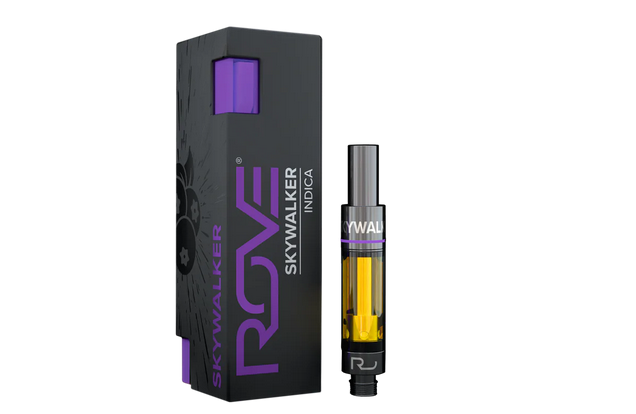
Understanding the Anatomy of a 510 Thread Vape Cartridge
- Thursday, 10 September 2026
- 0
- 1131
- 0
A 510 thread vape cartridge is the standard choice for vaping oils and concentrates. Its universal threading fits most batteries, so you can easily mix and match brands. Knowing each part helps you avoid common issues like leaks or burnt hits. When you understand how the mouthpiece, tank, atomizer, and base work together, you can fix problems quickly. This article explains each component and how they work with your battery. You will learn what each part does and why it matters for your vaping experience. With this knowledge, you can pick better products and care for your equipment with confidence.
Key Takeaways
- The 510 thread is a universal standard, so cartridges and batteries from different brands fit together.
- A cartridge has four main parts: mouthpiece, tank, atomizer, and base. Each part affects your vaping experience.
- Use low voltage (2.4V to 3.3V) to preserve flavor and extend cartridge life. High voltage burns the oil.
- Store cartridges upright in a cool, dark place. Clean the threads with alcohol to fix connection issues.
- Choose glass tanks for pure flavor. They do not react with the oil, unlike plastic.
The 510 Thread Vape Cartridge: A Universal Standard
Defining the 510 Thread Specification
The name "510" points to a specific size. This threading standard uses a 5mm diameter and 10 threads per inch. Each thread is 0.5mm apart from the next. This exact spacing makes a secure, steady link across all devices that follow the rule.
510 thread specification: 5mm diameter and 10 threads per inch.
Every 510 thread vape cartridge is built to these exact sizes. The threading looks like a fine screw pattern. When you twist a cartridge onto a battery, these threads lock together well. This tight fit keeps things stable and stops wobbling or loose parts.
The term "510" is not a brand or company name. Instead, it stands for a common fitting rule. Any cartridge made to this rule will fit any battery made to the same rule. You do not have to check if two items come from the same maker.
Why Standardization Benefits Vapers
This shared rule changes how you vape. You can use a cartridge from one brand with a battery from another brand without checking if they match. This freedom means you are not stuck with one system. You pick items based on quality and cost, not brand limits.
The 510 thread is not a brand or a specific device; it is a universal fitting. This is why a cartridge from one company usually screws onto a battery from a completely different one.
The shared rule also helps the market grow. Over 80% of pre-filled cannabis vape cartridges use the 510 thread link. This wide use means you find matching products almost anywhere. Shops and online stores carry many cartridges and batteries that work well together.
You also get real perks from this rule. The link gives a strong, steady fit that works the same every time. You can swap between different oils or mixes easily. Just unscrew one cartridge and put on another. This choice lets you try many strains and flavors without buying new batteries.
The 510 thread rule makes your choices easier. You look for good products that fit your needs. Trusted sellers like bestvapesupply offer many matching options. Their batteries and cartridges follow the same shared rule, so you can mix and match with ease.
Key Components of a 510 Cartridge
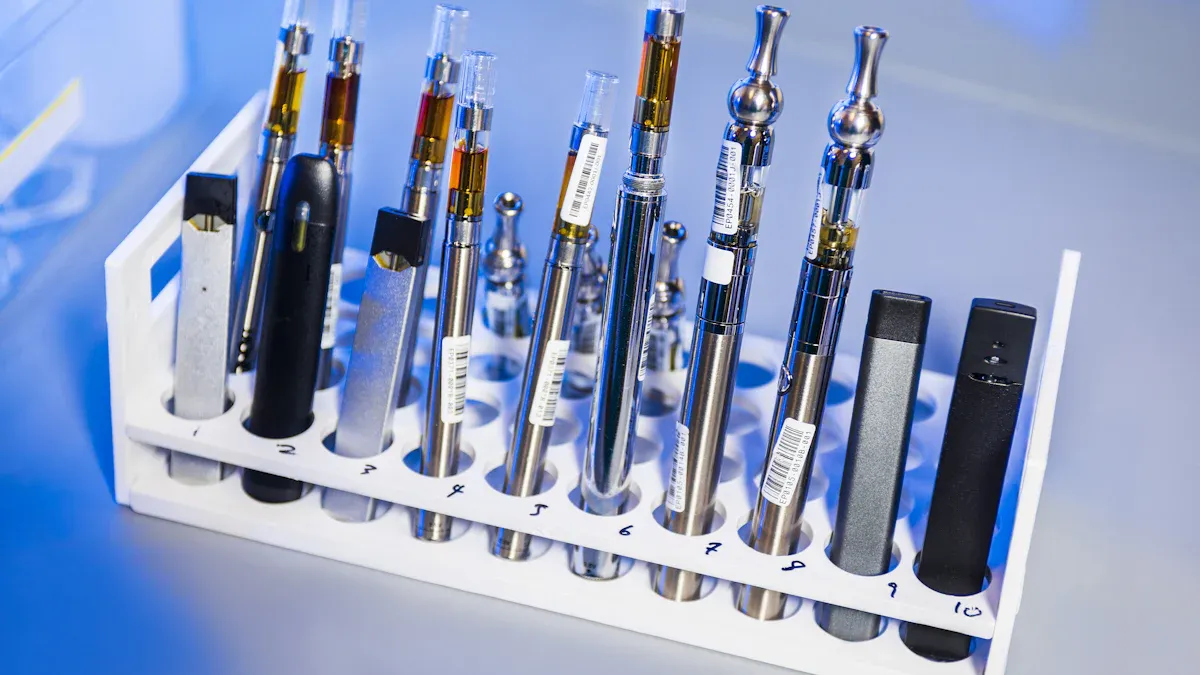
A 510 cartridge has four main parts that work together. Each part has a specific job that affects your experience. The table below gives you a quick overview of these components.
| Component | Description |
|---|---|
| Mouthpiece | The top part you use for inhaling. It can be plastic, ceramic, metal, or wood. |
| Tank (Chamber) | The reservoir that holds the oil. Most are glass or high-grade plastic. |
| Atomizer | The heating element with a coil and wicking material. It vaporizes the oil. |
| Base & Threading | The bottom section that houses the atomizer. It includes the 510 thread connector for battery attachment. |
The Mouthpiece: Materials and Airflow Design
The mouthpiece is the part you put to your lips. Its material and shape affect your comfort and the vapor you get. Different materials offer different benefits, and the shape controls how air flows into your mouth.
- Ceramic tips: They feel smooth and look premium. Ceramic resists heat well, so your lips stay cool during long sessions. The taste stays pure because ceramic does not add any flavor.
- Plastic tips: These are affordable and come in many colors. You find them in disposable and budget cartridges. They work fine but may affect flavor over time with repeated use.
- Metal tips: Stainless steel or aluminum makes these tips durable and sleek. They look great but can get warm with extended use. Some people find metal tips uncomfortable against their lips after several hits.
- Wood tips: These give a classic, natural look. Wood stays cool during use and feels different from other materials. They are less common but offer a unique experience.
The shape of the mouthpiece controls your draw. A flat, wide tip gives more airflow and an open draw. A narrow, round tip restricts airflow for a tighter draw. Some mouthpieces have special holes or side slits that mix more air with the vapor. You can choose a shape that matches how you like to inhale.
The Oil Reservoir: Glass, Ceramic, or Plastic
The oil reservoir holds your vape oil. Most 510 thread vape cartridge options use a glass tank. Glass is the top choice because it keeps your oil's flavor pure.
Plastic cartridges can interact with the terpenes and volatile compounds in cannabis oil, altering its flavor over days of use. In contrast, glass is chemically inert, ensuring that the oil's taste remains unaltered. Therefore, glass is preferred for preserving flavor quality. — from Vape Chemist
Common reservoir sizes are 0.5ml and 1.0ml. You also see 1.5ml and 2.0ml options, but they are less common. The capacity affects the physical size of the cartridge. A 0.5ml cartridge is slim and fits most batteries easily. A 2.0ml cartridge may be wider or taller. This can cause compatibility problems. It might be too wide for a recessed battery or too heavy for a narrow pen battery. Always check the actual diameter and battery clearance before buying a larger cartridge.
Glass tanks let you see your oil level clearly. You know when you need a refill. Plastic tanks are lighter and less likely to break if you drop your device. But plastic can react with the oil over time, changing the flavor. Ceramic tanks are rare but offer excellent heat resistance and taste neutrality.
Bestvapesupply offers high-quality glass tubes for refillable cartridges. These tubes let you fill your own oil and reuse the cartridge. You get the flavor purity of glass with the flexibility of a refillable system. This choice saves money and reduces waste over time.
When choosing a reservoir, think about how you vape. If you value flavor above all, pick glass. If you need a lightweight option for travel, plastic may work. Most quality-focused users stick with glass for its taste preservation properties. Understanding these choices helps you pick the right 510 thread vape cartridge for your needs.
The Atomizer and Base: Heating and Connection
The Atomizer: Coil and Wick Types
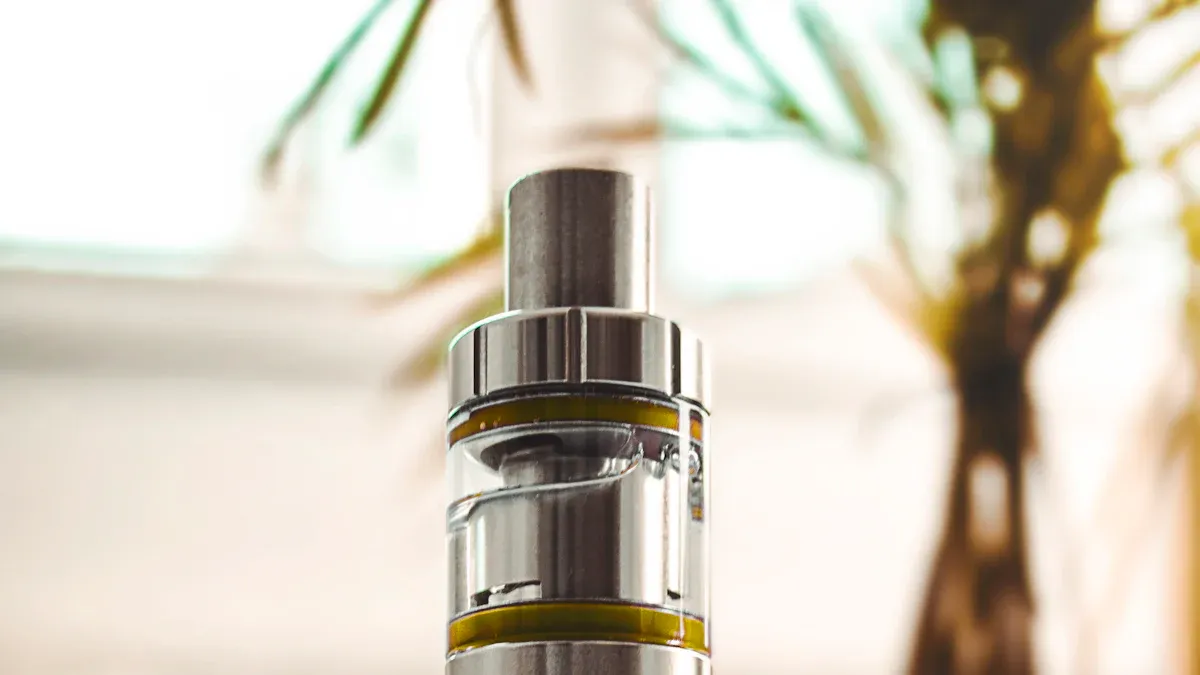
The atomizer is the main part of your cartridge. It warms the cannabis extract until it turns into vapor, without burning it. This process makes the vapor you inhale. The atomizer affects flavor, strength, and how smooth the hit feels.
The coil type changes your experience. Ceramic coils heat evenly. They keep flavor clean and stop hot spots. Ceramic is safe and does not react with your oil. It gives off no harmful substances. These coils work best with thick oils. They take longer to warm up. But they hold heat well, which saves battery power.
Quartz coils heat quickly. You get vapor in just seconds. However, quartz can harm delicate terpenes. The high heat alters the flavor. Quartz works well for thick concentrates. It makes thick vapor fast. But quartz does not hold heat well. This uses more battery power.
Cotton wicks are an older style. They work best with thin liquids. Cotton can get too hot and create harsh vapor. Cotton is not good for cannabis oil. Most quality 510 thread vape cartridge options use ceramic or quartz.
Your voltage setting matters. Low voltage from 2.4V to 2.8V gives smooth, tasty vapor. This range suits oils rich in terpenes. Medium voltage from 2.9V to 3.4V works well for everyday use. High voltage from 3.5V to 4.2V makes thick vapor for heavy oils. Be careful with high voltage. It can cause a burnt taste.
The Base: Threading and Electrical Contacts
The base connects your cartridge to the battery. It holds the 510 threading and a center post. The threads twist together for a tight fit. The center post makes the electrical link. Power moves through the center post to the coil. This finishes the circuit.
The center post material matters. Stainless steel is common and safe. Lead-free brass conducts electricity very well. Eco-friendly copper gives the best flow for faster heating. Full ceramic center posts remove any metal taste. Avoid plain metal posts with no safety info. They may not meet rules.
Cheap batteries can cause issues. Their center pin gets pushed down over time. This leads to weak connections. Better batteries use spring-loaded pins. These adjust on their own for steady contact.
Never tighten your cartridge too much. This causes most connection problems. Screw it until it feels snug. Stop when you meet resistance. Over-tightening pushes the center pin down. It also strips threads and squashes o-rings. All of this harms the connection.
Screw the cartridge onto the battery until it is finger-tight, then stop. Overtightening crushes the contact pin or seals off the airflow holes. It is the single most common reason a brand-new cart will not hit.
How the Cartridge Works with a Battery
Your 510 thread vape cartridge needs the battery for power. The battery sends electricity through the center post to the coil. The coil heats up and turns the oil into vapor. The voltage setting on your battery controls how hot that coil gets. This temperature affects your vapor quality and how long your cartridge lasts.
Voltage Settings and Optimal Performance
Voltage controls how much heat your coil makes. Most batteries work between 2.4V and 4.2V. Lower voltage means less heat. Higher voltage means more heat. The table below shows what happens at each range.
| Voltage Range | Effect on Vapor Quality | Effect on Cartridge Longevity |
|---|---|---|
| 2.4–2.8V | Light, cool, highly aromatic; preserves terpene complexity | Most gentle on the cartridge, extending its life |
| 2.8–3.2V | Balanced flavor and vapor density | Standard performance, no significant strain |
| 3.2–3.8V | Denser vapor, stronger extraction | Increased heat can shorten lifespan if used constantly |
| 3.8–4.2V | Maximum vapor density, warmer draw | High risk of burning the coil and oil, significantly shortening cartridge life |
For pre-filled oil cartridges, the best voltage range is between 2.4V and 3.3V. This range keeps terpenes safe and stops the coil from burning the oil. Voltages above 3.5V give harder hits but wear out the coil faster. You may notice a harsh, bitter vapor, especially with cotton wick cartridges.
The science behind this is simple. A 1.2Ω coil at 3.3V uses about 9 watts of power. This gentle heat works well for delicate oil. Higher voltages on lower-resistance coils create too much heat. That heat burns the oil and makes a bad taste.
Different oil thicknesses need different voltage settings. Thick oils like live resin or rosin contain delicate terpenes. These compounds break down under high heat. You should use 2.0V to 2.8V for these products. Thin distillates vaporize easily at 2.2V to 2.8V. Pushing them to 4.0V burns terpenes and carrier agents. This creates harsh, bitter hits. Winterized distillate needs more heat. Use 3.0V to 3.4V so the oil flows into the wick properly.
Always start at the lowest voltage setting. Increase slowly until you find what works best. You cannot fix damage from too much heat. A burnt coil ruins the whole cartridge.
Compatibility and Troubleshooting Common Issues
Even with proper voltage, problems can happen. Clogging is the most common issue. A cartridge clogs because oil is thick when cold and thinner when hot. The oil flows past the coil when you hit it too hard. Then it cools and blocks the path. Temperature-related thickness changes cause most clogs.
Prevention works better than fixes. Store cartridges upright in a cool, dry place. Take short, gentle puffs instead of hard, long inhales. Choose high-quality, lab-tested oils with steady thickness. Warm the cartridge by rolling it between your palms before use. This thins the oil and helps it flow.
Connection issues also happen often. You might see a "No Atomizer" error or get weak hits. Dirty threads often cause this problem. Clean the 510 connection with a cotton swab dipped in isopropyl alcohol. Use 70% or higher strength. Gently press and twist the swab around the center pin. Then clean the threaded walls. Dry fully before reattaching.
Overtightening causes many connection failures. Screw the cartridge onto the battery until it feels snug. Stop when you meet resistance. Over-tightening pushes down the contact pin. It also blocks airflow and damages threads. A vape cartridge should sit securely without forcing.
If your cartridge still does not fire, check the center pin. Use tweezers to extend it slightly if it sits too short. Confirm your cartridge resistance matches your battery specifications. Manufacturing differences mean a 5-20% fail rate is common. Try another cartridge or battery to find the problem.
Bestvapesupply offers a range of 510 thread batteries and empty cartridges built for reliable performance. Their products follow the universal standard, so you can mix and match with confidence. Knowing these troubleshooting steps helps you get the most from every cartridge you buy.
You now know each part of your cartridge. The mouthpiece controls how you inhale. The reservoir keeps your oil safe. The atomizer warms it evenly. The base links everything to your battery. All these parts work together to create your vaping experience.
The 510 thread standard gives you options. You can pair cartridges and batteries from different brands without worry. This flexibility makes vaping easy for both new and experienced users.
Use this knowledge when you shop or solve issues. Pick quality products from trusted sellers like bestvapesupply. Expect future cartridges with temperature sensors and eco-friendly glass designs. Knowing your equipment leads to safer, more enjoyable sessions.
FAQ
How long does a 510 thread vape cartridge last?
A full 1ml cartridge usually gives 200 to 300 puffs. How you vape and your voltage setting change that number. Lower voltage saves oil and makes the cartridge last longer. Higher voltage uses up oil faster. Keep your cartridge upright to stop leaks and wasted product.
Can I use any cartridge with any 510 battery?
The 510 threading standard means electrical parts work across brands. Size matters too. A wide or tall cartridge may not fit a battery with a recessed connection. Check your battery's clearance before using a large cartridge. Most standard cartridges work fine with most standard batteries.
Why does my cartridge taste burnt?
High voltage causes that harsh taste. Your coil gets too hot and burns the oil. Keep voltage between 2.4V and 3.3V for the best flavor. Thick oil can also have trouble reaching the coil. Warm the cartridge between your palms before use. This thins the oil and stops dry hits.
How should I store my cartridges?
Keep cartridges upright in a cool, dark place. Heat breaks down oil quality and causes leaks. Cold temperatures make oil thicker and lead to clogs. Do not leave your cartridge in direct sunlight or a hot car. Proper storage keeps flavor and prevents waste.
How do I clean a dirty 510 connection?
Dip a cotton swab in isopropyl alcohol. Gently clean the threads and center pin on both cartridge and battery. Remove all buildup before reattaching. Let everything dry completely. Dirty connections cause weak hits and "No Atomizer" errors. Regular cleaning prevents most connection issues.
0users like this.
0comments
- Empty Vape Hardware
- OEM vape hardware
- Dual Chamber Vape Hardware
- Thick Oil Vape Hardware
- dual chamber vape hardware
- Disposable Vapes
- Packman 4G
- ACE Ultra
- ACE Ultra Vape Pen
- Empty Disposable Hardware
- postless vape hardware
- OEM Manufacturing
- Rechargeable vape hardware
- Dual Chamber Hardware
- 10/10 Boys Switch
- Fryd dual chamber vape
- Fryd vape pen
- Fryd 2g
- Fryd disposable 2ml
- DRANKS DUAL Disposable Vape
- dual flavors
- Vape Battery
- HITZ ZEUS EDITION 2G
- HITZ Infinity Blue 2ML Pens
- HITZ Infinity
- HITZ ZEUS
- Dual Chamber Vape
- 2g Disposable
- Dual Tanks vape pen
- Disposable Vape Pens
- Wholemelt Phase Five Switch Vapes
- Wholemelt Switch Vapes 2G
- Wholemelt Vapes 2G
- DUAL Disposable Vape
- 2ML Dual Tanks
- 2G Disposable Vape
- MUHA MEDS Gen
- Splitz Vape Pen
- Splitz Vapes 2G
- Muha meds 2G
- Splitz 2ml
- TURNONE 2ML Empty Vape Hardware
- TURNONE 2ML
- customization
- 2ML Empty Vape
- ACE 2ml Vapes
- Packman 2ml vapes
- Whole Melt Candy Shop Switch 2G
- Whole Melt Candy Shop Switch
- dual-chamber
- OG Cake
- Cake 2ml vapes
- OG Cake Vape Pen
- Cake 2G Vapes
- MUHA MEDS Gen 3
- Muha meds 2ml
- Muha meds Switch
- Muha Meds 2.5G
- Sherbinskis Quattro 2G
- activation failure
- FAVORITES Disposable 3G
- Disposable 3G
- FAVORITES Disposable
- FRYD SWITCH DISPOSABLE 2G
- FRYD Switch 2G
- disposable vape
- FRYD 2g
- Dual Chamber Pens
- HITZ ZEUS Edition 2G
- MUHA MEDS Melted Diamonds vape
- HITZ ZEUS 2G
- MUHA MEDS Melted Diamonds 3.5G
- Push V2 Summer Vape Pen
- Push V2 Summer Vape Switch
- Push 2G Vape Switch
- Push 2G Switch
- Boutiq Switch ORB V5 Triple Tank
- Boutiq Switch ORB V5
- Boutiq Switch
- Triple Tank Vape
- Packman Partyboyz Disposable Vape
- Packman Partyboyz 3G
- Packman vape pen
- Packman 2g vapes
- Raw Garden Adjustable Voltage
- Raw Garden 2G
- Raw garden Vapes
- Raw garden vape pen
- MUHA MEDS Empty Vape Pen
- SHERBINSKIS QUATTRO 2G
- MUHA MEDS 2g Vape Pen
- dual chamber Vape Pen
- Muha Meds empty vape
- 3.5ML Muha Meds
- Muha Meds 2ml
- Crybaby Trios 3G
- Crybaby Trios 3G Empty Disposable Vape
- disposable vape hardware
- Muha Meds Gen 3 empty hardware
- HitZ Infinity 2G empty hardware
- Slugger Hit 3G Triple-Chamber Vape
- Multi-Flavor Hardware
- disposable empty hardware
- Airflow Blockage
- Thick Oil Empty Vape Hardware
- thick oil vape cartridge
- OEM empty vape hardware
- DONUTS Switch GEN 2 E
- 2ML Dual Chamber Vape
- DONUTS Switch Pen 2ML
- Boutiq Switch V5
- Boutiq Dual Chamber
- Empty Vape Hardware Quality Control
- LUIGI V9 2G Empty Vape Hardware
- Donuts Gen 2 Dual Chamber
- Sprinklez Disposable Vape
- Sprinklez Disposable 2G
- Muha meds glass jars
- ACE Glass jars
- custom packaging
- UNIPUFF SWITCH DISPOSABLE 2G
- Muha Meds GTA edition
- Alien Labs Dual Empty Disposable 2G
- Alien Labs Dual
- vape pen overheating
- vape hardware troubleshooting
- vape battery overheating
- Raw Garden Vape Pen
- Ceramic Coil
- rechargeable disposable
- 2ML Empty Vape Hardware
- OG Cake Legendary Edition
- CRYBABY TRIOS 3 IN 1
- Multi-Chamber Vape
- manufacturing process
- BIG CHIEF DUO V3 Empty Vape Hardware
- Single Chamber Vape Hardware
- Sluggers Hit dual chamber
- OEM vape manufacturer
- 510 Thread Vape Cartridge
- Dual chamber
- LED screen devices
- All-In-One Vape Hardware
- Dual Vape Hardware
- 510 cartridge hardware
- ceramic vape cartridge
- OEM cartridge supplier
- ACE Ultra 2ml Dual Chamber
- Donuts Switch V4 Dual Chamber
- Single-Chamber Disposables
- Ceramic Coil Guide
- Thick Oil Hardware
- CALI CLEAR 2G
- Oil flow problems
- Ace Ultra Switch
- Ace Ultra Premium Empty Vape Hardware
- LED screen vape hardware
- Smart vape hardware
- Voltage Control
- Buzz Bar 3G Switch
- 10/10 Boys Single Flavor
- multi chamber vape hardware
- Sluggers Dual Chamber
- SMOOTHIE BAR BLEND 3.0 Switch
- Switch Empty Vape Hardware
- Multi-Chamber Empty Vape Hardware
- vape hardware airflow
- multi-chamber hardware leakage
- BESOS 3 Flavors Switch
- BESOS 3 Flavors Switch Empty Vape Hardware
- Slugger Hit 3 tanks SWITCH 3G
- 10/10 Boys Switch clogging
- SHERBINSKIS QUATTRO 2G dual chamber vape hardware
- Packman x Jeeter DUAL CHAMBER Vape Hardware
- 2G disposable vape
- Empty Triple-Chamber Vape Hardware
- OEM triple chamber vape hardware
- postless dual-chamber vape hardware
- ceramic vape hardware
- triple chamber vape hardware
- 1mL + 1mL dual-chamber vape
- dual-chamber empty vape hardware
- Khalifa Kush Switch
- HOLLOWTIPS 2G vape hardware
- HOLLOWTIPS 2G empty vape
- Hollow Tips 2G empty vape
- Hollowtips V1 empty vape hardware

Your cart is currently empty.