
-
 Shopping Cart (0)
Cart Total:
Your cart is currently empty..
Empty Vape Hardware Guide
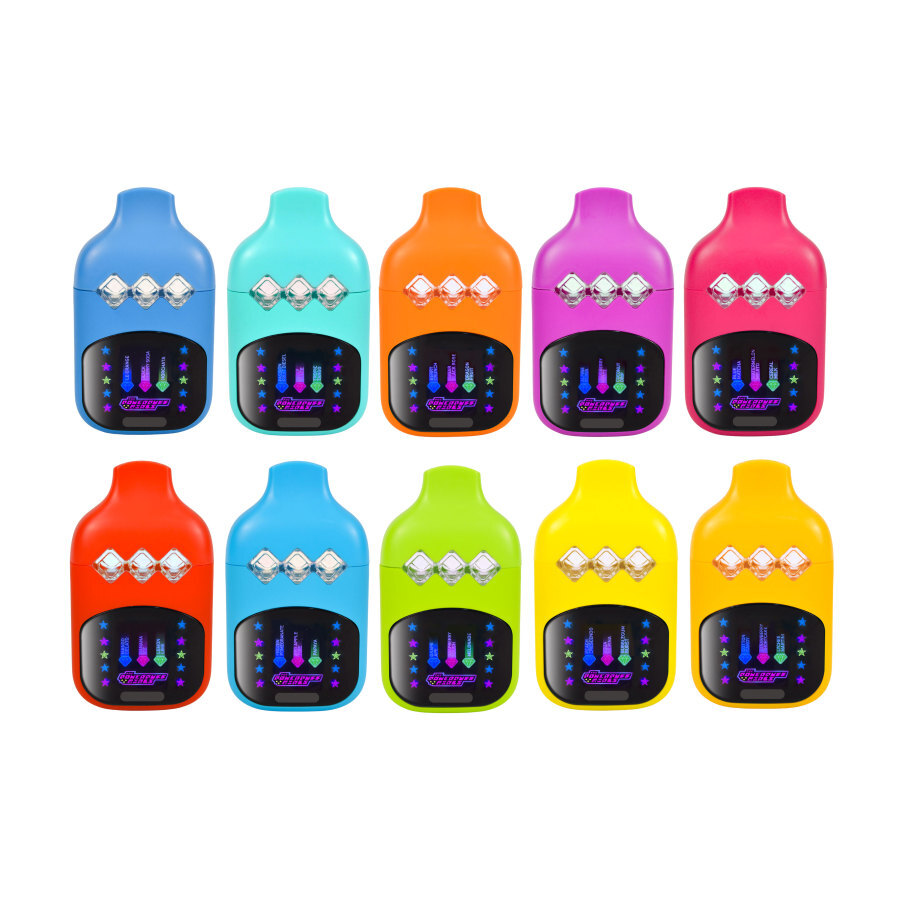
What Should Wholesalers Check Before Ordering Empty Triple-Chamber Vape Hardware?
- Saturday, 17 October 2026
- 0
- 184
- 0
Before ordering empty triple-chamber vape hardware, wholesalers should verify the chamber structure, sealing, airflow, heating system, material specifications, supplier QC process, sample consistency, MOQ, lead time and total landed cost. Triple-chamber hardware adds more internal components and control points than single-chamber designs, so a product that looks good in photos may still require additional testing before a bulk order.
This guide explains what wholesale buyers should check before approving empty triple-chamber vape hardware, with a focus on hardware quality, supplier documentation, sample validation, pricing, logistics and OEM requirements.
Quick Answer
Wholesalers should check five areas before ordering empty triple-chamber vape hardware: chamber separation, airflow and heating consistency, material and dimensional tolerances, supplier QC and documentation, and commercial terms such as MOQ, lead time and landed cost. A physical sample should be evaluated against the approved specifications before mass production.
Key Takeaways
- Verify all three chambers for separation, sealing, airflow consistency and correct switching before placing a bulk order.
- Confirm the hardware specification, materials, dimensions, heating system, battery configuration and packaging version against the approved sample.
- Request current supplier documentation, QC records and applicable battery or transport test documents for the exact hardware configuration.
- Compare MOQ, unit cost, tooling, packaging, shipping, duties and other landed costs instead of comparing unit price alone.
- Test the hardware with your intended filling process and compatible formulation before mass production.
- Lock the approved sample, specifications and change-control requirements in writing before production.
What should wholesalers check in three-chamber disposable vape hardware?
In the vaping market, empty triple chamber hardware means a three-chamber disposable vape made for multi-flavor output. You get three separate reservoirs in one device. Each chamber holds its own e-liquid. The user can switch between flavors or enjoy them together. This format differs from a shared-mouthpiece design. With isolated chambers, the oil and vapor paths stay separate until delivery. A shared-mouthpiece design merges those paths earlier. That distinction matters for quality control. Isolated chambers need extra selection logic and tighter sealing. A shared-mouthpiece design does not need chamber-selection switching. So what should wholesalers check before buying? Focus on two areas first: chamber isolation and material quality.
Chamber Isolation and Airflow Design
Triple-Chamber Hardware QC: 3 Critical Checks
1. Chamber Separation
2. Airflow Consistency
3. Mouthpiece and Reservoir Sealing
Chamber separation is the first structural check because three independent reservoirs must remain isolated throughout filling, storage and normal operation.
Airflow balance matters just as much. All three chambers should produce a similar draw. If one chamber pulls harder, that flavor drains faster. Users will complain about uneven performance. Test each chamber on its own. Compare the vapor output. Then test combined mode. The draw should stay smooth across all three.
Mouthpiece sealing is the third check. A poor seal lets air enter where it should not. That weakens vapor production and can cause leaks. Inspect the seal at the mouthpiece junction. Confirm it sits flush. These checks require hands-on testing. Photos and spec sheets alone cannot verify them. Ask your supplier for a physical sample before you commit to a bulk order.
Does Three-Chamber Mean Three Independent Reservoirs?
Not necessarily. Wholesalers should confirm the actual internal architecture instead of relying on marketing terms such as “3-in-1” or “three flavors.” Ask whether the device contains three physically separated reservoirs, how each chamber is selected, whether airflow paths are independent, and whether any combined mode is supported.
Material Grade, Plating, and Tolerance
Material quality decides how long your three-chamber disposable vape lasts on the shelf and in the user's hand. Steel grade is the starting point.316 stainless steel and SUS-303 are material grades, but the material designation alone does not establish the complete safety or compliance status of a finished vape hardware product. Buyers should request the actual material specification and supporting documentation for oil-contact components.
| Steel Grade | Application in Disposable Vape Hardware |
|---|---|
| 316 stainless steel | Center post (medical grade) |
| SUS-303 stainless steel | Oil-touching metal components, including center posts |
Plating thickness is another invisible factor. Thin plating wears away. It can flake into the oil path. That creates a safety concern and a returns problem. You cannot measure plating from a photograph. You need supplier documentation or third-party testing. Dimensional tolerance works the same way. A chamber that is slightly too wide or too narrow will not seal correctly. It may leak or fit poorly in the device housing. Request the latest spec sheet for every batch. Verify all technical specifications in writing.
| QC Point | What Buyers Should Check |
|---|---|
| Chamber dimensions | Consistency between units |
| Seal interface | Proper compression and fit |
| Heating-core position | Consistent alignment |
| Mouthpiece fit | No visible gaps or looseness |
| Airflow openings | Consistent position and diameter |
| Housing assembly | No deformation or misalignment |
A supplier like bestvapesupply provides OEM services and detailed spec sheets for three-chamber hardware. That level of documentation helps you confirm material grades and tolerances before you pay a deposit. When you evaluate customization options for wholesale disposable vape hardware, ask for the latest spec sheet and a physical sample. Premium vape hardware deserves that level of scrutiny. Multi-flavor disposable vape hardware performs well only when the materials hold up. A triple flavor disposable device with weak plating or loose tolerances will fail in the field. That outcome costs you far more than the sample itself.
How to verify supplier quality control and certifications?
You cannot judge a supplier from a website alone. Before you order three-chamber disposable vape hardware, get proof of who they are and what they can do. This step protects your money and your reputation.
Supplier Identity and Production Capability
Start with legal identity. Ask for a business license, an EIN or tax ID, and a reseller's permit if your area needs one. These papers show the supplier works legally. Verify the supplier's legal business identity, operating entity, manufacturing location, commercial references and applicable compliance documentation. Do not treat a customs inspection record or a single certificate as proof of overall regulatory compliance. A Certificate of Origin shows where products are made and helps with taxes. Ask for all of these before you talk about pricing.
| Document Type | Purpose |
|---|---|
| U.S. Customs Inspection | Shows they follow federal laws and FDA rules |
| Certificate of Origin (COO) | Shows where products are made and helps with taxes |
| Reseller's License | Proves the business is legal and pays taxes |
| EIN/tax ID | Confirms the supplier's valid tax identity |
| Business License | Proves the supplier is a real business |
Production capability matters just as much. Can the factory handle your order size for three-chamber hardware? Ask for a factory audit report. Confirm how much they can make each month. Check if they make the chamber parts in-house or send the work out. A supplier with low capacity may miss your lead time. That delay costs you sales.
Certifications, Barcodes, and Sample Approval
Triple-Chamber Hardware Sample Approval Checklist
| Test Area | What to Verify |
|---|---|
| Chamber structure | Three chambers match approved design |
| Sealing | No visible leakage |
| Switching | Correct chamber selection |
| Airflow | Consistent draw across chambers |
| Heating | Consistent resistance/output |
| Charging | Charging function matches specification |
| Assembly | No loose or misaligned parts |
| Appearance | Color, finish and logo match sample |
| Packaging | Correct artwork and quantity |
| Dimensions | Match approved specification |
| Batch consistency | Multiple samples show consistent results |
Vape hardware needs certain certifications. Ask for UN 38.3 and IEC 62133-2 compliance certificates. These cover battery safety and transport rules. Request current compliance papers for every batch. Do not accept expired certificates.
Barcode verification protects your warehouse work. You need correct labels at four packaging levels.
| Packaging level | Controlled fields | Operational question |
|---|---|---|
| Sellable unit | SKU, variant, packaging revision | What is sold or allocated? |
| Inner pack or display | Units per pack, barcode or label, dimensions | Can it be opened or shipped intact? |
| Master carton | Inner packs and units per carton, gross weight, outer dimensions | What is received, stored, and counted? |
| Pallet | Cartons per layer, layers, total cartons, loaded height and weight | How is the load handled and booked? |
Write the conversions as checkable equations. For example: sellable units per inner pack times inner packs per master carton equals sellable units per master carton. Then multiply by the number of master cartons to match the purchase-order quantity. Never use a photo of a carton label as your only conversion record.
Sample availability is your final gate. Approve a physical sample before bulk production. Follow these steps:
- Check product function, assembly, strength, fit, finish, and user experience.
- Check material, thickness, texture, weight, color, odor, surface quality, and tolerance range.
- Confirm dimensions, component count, accessories, spare parts, and instruction sheets.
- Inspect logo method, placement, print quality, label, tag, and brand color reference.
- Review retail packaging, insert, barcode, warning labels, carton marks, and protective packing.
- Create a final written approval record listing approved details and unresolved changes.
- Keep a golden sample — sealed, labeled, and dated — and require the factory to keep its twin.
Request certification and QC documentation in writing before you pay any deposit. This includes batch-level QC documentation, the latest spec sheet, and your MOQ terms. A supplier who hesitates to provide these documents is a supplier you should avoid.
What pricing and market fit checks apply to multi-flavor disposable vape hardware?
Price and demand decide whether your order makes money. You need to understand both before you commit.
Pricing Structure and Bulk Discounts
Ask for the unit price at every quantity tier. A supplier may quote one rate for 500 units and another for 5,000. Compare quotes on total landed cost, not just unit price. Compare total landed cost rather than unit price alone. Depending on the project, the final cost can include tooling, packaging, testing, freight, insurance, customs duties, taxes and other transaction-specific charges. Ask each supplier to identify these costs separately so that quotations can be compared on the same basis. These include tooling, mold fees, third-party testing, shipping insurance, customs duties, and packaging design. For OEM projects, mold changes after first article inspection are common and costly.
Check the minimum order quantity per SKU for each chamber setup. Custom structural formats carry higher MOQs because suppliers spread tooling costs across the order. Paying for tooling upfront often lowers the MOQ. Always ask about this when you request quotes.
Packaging costs need special attention. A large packaging run may look cheap on a per-unit basis. But if monthly sales are low, that order represents a long inventory supply. Adding warehousing costs raises the effective cost per unit. The low-priced order is no longer cheap.
Annual Carrying Cost = (Order Value) x (Carrying Cost Rate)
Large packaging MOQs can increase inventory carrying costs when sell-through is slower than expected.
Market Demand and Customer Preferences
Flavor trends vary by region. In North America, iced fruit combinations lead the market. Watermelon Ice, Blue Razz Ice, Mango Ice, Peach Ice, and Grape Ice dominate top-tier sales. Fruit-only blends like Strawberry Banana follow close behind. Beverage and dessert profiles round out the top tier. Complex tropical layers with three or four fruits are gaining share.
Check regulatory limits on multi-flavor devices in your target market. Some regions restrict flavor variety or device capacity. Confirm the three-chamber format fits local retail price points. A multi flavor vape device must deliver value at the shelf price your retailers expect.
bestvapesupply offers OEM services for custom logo and packaging. That helps you align product with local demand. Ask about customization options before you finalize your order.
How Market Fit Affects a Triple-Chamber Hardware Order
A triple-chamber platform should be evaluated against the buyer's target market, SKU strategy and retail positioning. Three chambers can support a more differentiated product concept, but the additional hardware complexity may also increase the number of components, testing points and packaging requirements.
What shipping and after-sales rules should you lock down?
Shipping and after-sales rules keep your money safe once the product leaves the factory. You need clear answers about shipping, delivery dates, and what happens when units break. Get every rule in writing before you place orders.
Pack Sizes, Lead Times, and Shipping
Put pack sizes and amounts in writing. Ask how many sellable units go in each inner pack, master carton, and pallet. Write these as simple math checks. For example, units per inner pack times inner packs per master carton equals units per master carton. This step stops short shipments.
Lead times need a written plan. Ask for the production time for your three-chamber order. Confirm the ship date and the arrival window. A supplier who won't put a lead time in writing may miss your store launch.
Incoterms decide who pays freight, insurance, and duties. Look at the three common choices.
| Incoterm | Risk Transfer Point | Freight & Insurance | Duty & Clearance |
|---|---|---|---|
| FOB | When goods are on board at the Chinese port | Buyer's responsibility | Buyer's responsibility |
| CIF | At destination port (freight/insurance added by seller) | Seller covers to destination port | Buyer handles duty and clearance |
| DDP | Supplier delivers to buyer's door | Seller covers | Seller pays duty; buyer receives finished landed cost |
DDP is a real Incoterms deal where the seller handles import clearance and pays the duties. The problem comes when an all-in service uses low values, wrong descriptions or codes, or a hidden importer of record.
Ask if the supplier uses overseas warehouses. bestvapesupply, for example, uses overseas warehouses for faster shipping. That cuts your delivery time and lowers customs hassle.
Warranty, Returns, and After-Sales Support
A clear broken-unit policy protects both sides. Ask for the defect rate limit. Confirm the return window for dead-on-arrival units. Confirm the supplier's DOA reporting window, defect-rate policy, replacement process and responsibility for return shipping before placing the order. These terms should be included in the written quotation or sales agreement. Get this window in writing.
Read the return and refund policy before you commit.
- Broken devices can be swapped only. The replacement ships after the supplier gets the broken unit.
- Opened or used disposables can't be refunded for hygiene reasons.
- Shipping fees can't be refunded.
- Refunds go back to the original payment method and take about 7 business days on average.
Confirm who pays shipping for broken three-chamber units. Ask about the replacement process and the timeline. A strong broken-unit policy covers DOA devices, leaking units, and autofiring defects. Get all shipping and after-sales rules in writing before ordering. This step protects your money and your store relationships.
Before you order, check four things. Look at chamber specifications and quality control for each three-chamber unit. Check your supplier's identity, certifications, and sample approval process. Compare pricing tiers and make sure multi-flavor disposable vape hardware fits your market. Get pack sizes, lead times, and after-sales terms in writing.
This checklist protects your money, your reputation, and your retail relationships. Treat it as a normal part of buying, not an optional step. Build long-term partnerships with reliable suppliers like bestvapesupply. A careful three-chamber order today stops costly returns tomorrow. Each chamber must work well, and every document must hold up.
Final Takeaway
The best way to evaluate empty triple-chamber vape hardware is to treat the purchase as a technical and commercial qualification process rather than a simple price comparison. Start with the physical sample, verify chamber separation, airflow, heating, sealing, materials and assembly, then confirm supplier documentation, MOQ, lead time, packaging and after-sales terms.
For wholesale and OEM buyers, the approved sample should become the reference point for mass production. Specifications, QC requirements and any permitted component changes should be documented before the production order is released.
FAQ
How do I test a three-chamber device for cross-flavor leakage?
Put a different liquid in each chamber. Let the unit sit for a while. Then check if the flavors mixed together. You cannot check this by looking at photos. Always test a real sample before you agree to a big order.
Can I trust a spec sheet without a physical sample?
No. Spec sheets show material grades and tolerances. They do not show if the airflow is even or if the mouthpiece seals well. Ask for both papers and a working sample. Approve the sample in writing before you pay a deposit.
What certifications should a supplier provide for disposable vape hardware?
Ask for UN 38.3 and IEC 62133-2 certificates. These cover battery safety and shipping rules. Request up-to-date compliance papers for every batch. Also check the supplier's business license and factory audit report.
How do I compare quotes from different suppliers fairly?
Compare the total landed cost, not just the unit price. Add tooling, mold fees, testing, shipping, and duties. A low unit price with high hidden costs often ends up costing more than a higher quote with clear terms.
What defect rate should I expect in a bulk order?
Ask for the defect rate limit in writing. Confirm the return window for dead-on-arrival units. Most suppliers give 24 to 72 hours to report a DOA device. Get the replacement process and who pays for shipping in writing.
Written by: Best Vape Supply Product Development Team
Reviewed by: Hardware QC Team
Focus Areas:
Triple-Chamber Vape Hardware
Multi-Chamber Architecture
Hardware QC
OEM Manufacturing
Wholesale Sourcing
0users like this.
0comments
- Empty Vape Hardware
- OEM vape hardware
- Dual Chamber Vape Hardware
- Thick Oil Vape Hardware
- dual chamber vape hardware
- Disposable Vapes
- Packman 4G
- ACE Ultra
- ACE Ultra Vape Pen
- Empty Disposable Hardware
- postless vape hardware
- OEM Manufacturing
- Rechargeable vape hardware
- Dual Chamber Hardware
- 10/10 Boys Switch
- Fryd dual chamber vape
- Fryd vape pen
- Fryd 2g
- Fryd disposable 2ml
- DRANKS DUAL Disposable Vape
- dual flavors
- Vape Battery
- HITZ ZEUS EDITION 2G
- HITZ Infinity Blue 2ML Pens
- HITZ Infinity
- HITZ ZEUS
- Dual Chamber Vape
- 2g Disposable
- Dual Tanks vape pen
- Disposable Vape Pens
- Wholemelt Phase Five Switch Vapes
- Wholemelt Switch Vapes 2G
- Wholemelt Vapes 2G
- DUAL Disposable Vape
- 2ML Dual Tanks
- 2G Disposable Vape
- MUHA MEDS Gen
- Splitz Vape Pen
- Splitz Vapes 2G
- Muha meds 2G
- Splitz 2ml
- TURNONE 2ML Empty Vape Hardware
- TURNONE 2ML
- customization
- 2ML Empty Vape
- ACE 2ml Vapes
- Packman 2ml vapes
- Whole Melt Candy Shop Switch 2G
- Whole Melt Candy Shop Switch
- dual-chamber
- OG Cake
- Cake 2ml vapes
- OG Cake Vape Pen
- Cake 2G Vapes
- MUHA MEDS Gen 3
- Muha meds 2ml
- Muha meds Switch
- Muha Meds 2.5G
- Sherbinskis Quattro 2G
- activation failure
- FAVORITES Disposable 3G
- Disposable 3G
- FAVORITES Disposable
- FRYD SWITCH DISPOSABLE 2G
- FRYD Switch 2G
- disposable vape
- FRYD 2g
- Dual Chamber Pens
- HITZ ZEUS Edition 2G
- MUHA MEDS Melted Diamonds vape
- HITZ ZEUS 2G
- MUHA MEDS Melted Diamonds 3.5G
- Push V2 Summer Vape Pen
- Push V2 Summer Vape Switch
- Push 2G Vape Switch
- Push 2G Switch
- Boutiq Switch ORB V5 Triple Tank
- Boutiq Switch ORB V5
- Boutiq Switch
- Triple Tank Vape
- Packman Partyboyz Disposable Vape
- Packman Partyboyz 3G
- Packman vape pen
- Packman 2g vapes
- Raw Garden Adjustable Voltage
- Raw Garden 2G
- Raw garden Vapes
- Raw garden vape pen
- MUHA MEDS Empty Vape Pen
- SHERBINSKIS QUATTRO 2G
- MUHA MEDS 2g Vape Pen
- dual chamber Vape Pen
- Muha Meds empty vape
- 3.5ML Muha Meds
- Muha Meds 2ml
- Crybaby Trios 3G
- Crybaby Trios 3G Empty Disposable Vape
- disposable vape hardware
- Muha Meds Gen 3 empty hardware
- HitZ Infinity 2G empty hardware
- Slugger Hit 3G Triple-Chamber Vape
- Multi-Flavor Hardware
- disposable empty hardware
- Airflow Blockage
- Thick Oil Empty Vape Hardware
- thick oil vape cartridge
- OEM empty vape hardware
- DONUTS Switch GEN 2 E
- 2ML Dual Chamber Vape
- DONUTS Switch Pen 2ML
- Boutiq Switch V5
- Boutiq Dual Chamber
- Empty Vape Hardware Quality Control
- LUIGI V9 2G Empty Vape Hardware
- Donuts Gen 2 Dual Chamber
- Sprinklez Disposable Vape
- Sprinklez Disposable 2G
- Muha meds glass jars
- ACE Glass jars
- custom packaging
- UNIPUFF SWITCH DISPOSABLE 2G
- Muha Meds GTA edition
- Alien Labs Dual Empty Disposable 2G
- Alien Labs Dual
- vape pen overheating
- vape hardware troubleshooting
- vape battery overheating
- Raw Garden Vape Pen
- Ceramic Coil
- rechargeable disposable
- 2ML Empty Vape Hardware
- OG Cake Legendary Edition
- CRYBABY TRIOS 3 IN 1
- Multi-Chamber Vape
- manufacturing process
- BIG CHIEF DUO V3 Empty Vape Hardware
- Single Chamber Vape Hardware
- Sluggers Hit dual chamber
- OEM vape manufacturer
- 510 Thread Vape Cartridge
- Dual chamber
- LED screen devices
- All-In-One Vape Hardware
- Dual Vape Hardware
- 510 cartridge hardware
- ceramic vape cartridge
- OEM cartridge supplier
- ACE Ultra 2ml Dual Chamber
- Donuts Switch V4 Dual Chamber
- Single-Chamber Disposables
- Ceramic Coil Guide
- Thick Oil Hardware
- CALI CLEAR 2G
- Oil flow problems
- Ace Ultra Switch
- Ace Ultra Premium Empty Vape Hardware
- LED screen vape hardware
- Smart vape hardware
- Voltage Control
- Buzz Bar 3G Switch
- 10/10 Boys Single Flavor
- multi chamber vape hardware
- Sluggers Dual Chamber
- SMOOTHIE BAR BLEND 3.0 Switch
- Switch Empty Vape Hardware
- Multi-Chamber Empty Vape Hardware
- vape hardware airflow
- multi-chamber hardware leakage
- BESOS 3 Flavors Switch
- BESOS 3 Flavors Switch Empty Vape Hardware
- Slugger Hit 3 tanks SWITCH 3G
- 10/10 Boys Switch clogging
- SHERBINSKIS QUATTRO 2G dual chamber vape hardware
- Packman x Jeeter DUAL CHAMBER Vape Hardware
- 2G disposable vape
- Empty Triple-Chamber Vape Hardware
- OEM triple chamber vape hardware
- postless dual-chamber vape hardware
- ceramic vape hardware
- triple chamber vape hardware
- 1mL + 1mL dual-chamber vape
- dual-chamber empty vape hardware
- Khalifa Kush Switch
- HOLLOWTIPS 2G vape hardware
- HOLLOWTIPS 2G empty vape
- Hollow Tips 2G empty vape
- Hollowtips V1 empty vape hardware

Your cart is currently empty.