
-
 Shopping Cart (0)
Cart Total:
Your cart is currently empty..
Vape Hardware Engineering
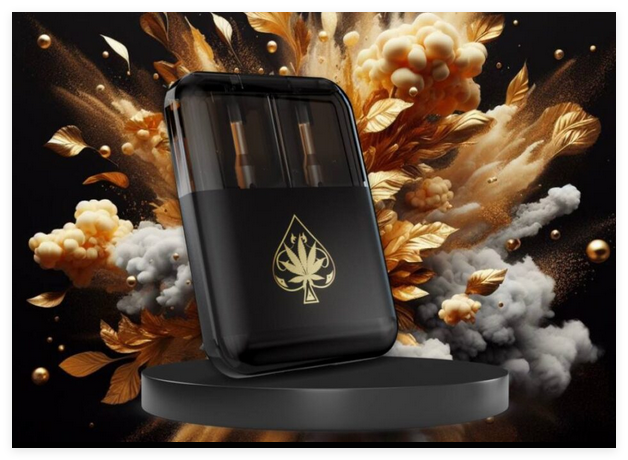
Disposable Hard to Pull? Uncover the Causes and Solutions
- Wednesday, 19 August 2026
- 0
- 238
- 0
A hard-to-pull issue in disposable empty hardware can be related to airflow pathway design, sensor response, sealing structure, filling compatibility, viscosity matching, assembly tolerance, or battery activation. For wholesale buyers and private label projects, this issue should be reviewed as a hardware quality-control topic rather than a user repair problem.
This article reviews why disposable empty hardware may feel hard to pull from a B2B sourcing and QC perspective. It focuses on airflow structure, sensor layout, oil-flow compatibility, sealing design, production consistency, and sample testing points that buyers should confirm before placing a bulk order.
Key Takeaways
- Hard-to-pull issues in disposable empty hardware may come from airflow pathway design, sensor response, sealing layout, assembly tolerance, or viscosity compatibility.
- Wholesale buyers should review airflow structure, air inlet size, mouthpiece design, chamber layout, and sensor position during sample testing.
- Temperature and filling material viscosity can affect hardware performance, so compatibility should be verified before bulk production.
- Factory QC should include airflow testing, leakage inspection, battery activation checks, sealing review, and random batch sampling.
- All products should be treated as empty hardware only. No oil, nicotine, cannabis, concentrate, e-liquid, or filled consumable product is included.
Quick Fixes for a Hard-to-Pull Disposable
When your disposable vape is hard to pull, you often need quick solutions. Many common problems have fast, easy fixes. You can get your device working well again with a few simple steps.
Clearing Airflow Blockages and Debris
Blockages are a main reason your disposable vape feels tight. Dirt or thick vapor can block the mouthpiece or air holes. To clear these, gently blow through the charging end or the airflow sensor. This can push out clogs inside. You can also try to "blow through": cover the bottom air vents with your fingers and blow steadily into the mouthpiece. Let the device rest for about 30 seconds before trying it again.
For the mouthpiece itself, you can often see and remove blockages easily. Use a dry cotton swab to gently turn it inside the mouthpiece. This picks up loose lint or wetness. Do not use anything wet, as water can harm inside parts. A toothpick or a thin needle can pull out stubborn lint or dirt. Do not push too deep, as you might damage the coil. Compressed air is also helpful. Lightly spray compressed air into the bottom air holes to clear dirt and keep air flowing smoothly. Use short, gentle sprays and keep a little distance from the device. This stops dirt from going deeper inside or hurting sensitive parts. You can also try a "flicking technique." Hold the device by its bottom and flick it firmly downward. This uses a spinning motion to remove trapped liquid. If too much e-liquid is the problem, hold the device upside down and tap it on a paper towel. Then, fire the device in one-second bursts without breathing in until any gurgling stops.
Sometimes, a "forced air clearing" method helps. Put your lips around the mouthpiece and pull firmly without turning on the device. This creates a vacuum. Take two to three light test puffs after to check the airflow. If your device has a preheat setting, use it to warm the oil. Then, use the forced air method to move the warmed oil through the chamber. For cleaning by hand, straighten a paperclip. Put it no more than 5 mm into the mouthpiece and turn it gently. For air vents, use a thin needle to poke through each opening.
Checking Sensor and Battery Function
A hard pull can also mean problems with the device's inside parts, like the airflow sensor or battery. A broken airflow sensor makes it feel like sucking through a blocked straw. The puff might be weaker than usual, or you might feel a tight pull with no light, meaning an airflow blockage. To test the sensor, cover one of the device's air holes with your finger while puffing. This increases air pressure and might turn on a stuck sensor. You can also cover the air intake vent with your finger and take a firm, quick first puff. This creates a stronger vacuum to restart the sensor. Blowing gently into the bottom airflow holes can also reset a sensor stuck in one spot.
Battery problems also affect how well it pulls. Weak vapor, where the device makes only a light puff, means not enough power. The device might not work at all, or the light might flash when you breathe in, showing low power. Other signs include turning off randomly while puffing, delays in turning on, or the battery dying fast. If the device feels hot after short use, the battery might be working too hard. Dim lights, puffs that are not consistent, or fast blinking when plugged in also point to battery problems. If your disposable is hard to pull and feels cold, with no heat when you puff, the battery might be dead or have a broken part.
E-Liquid and Environmental Factors Affecting Your Disposable
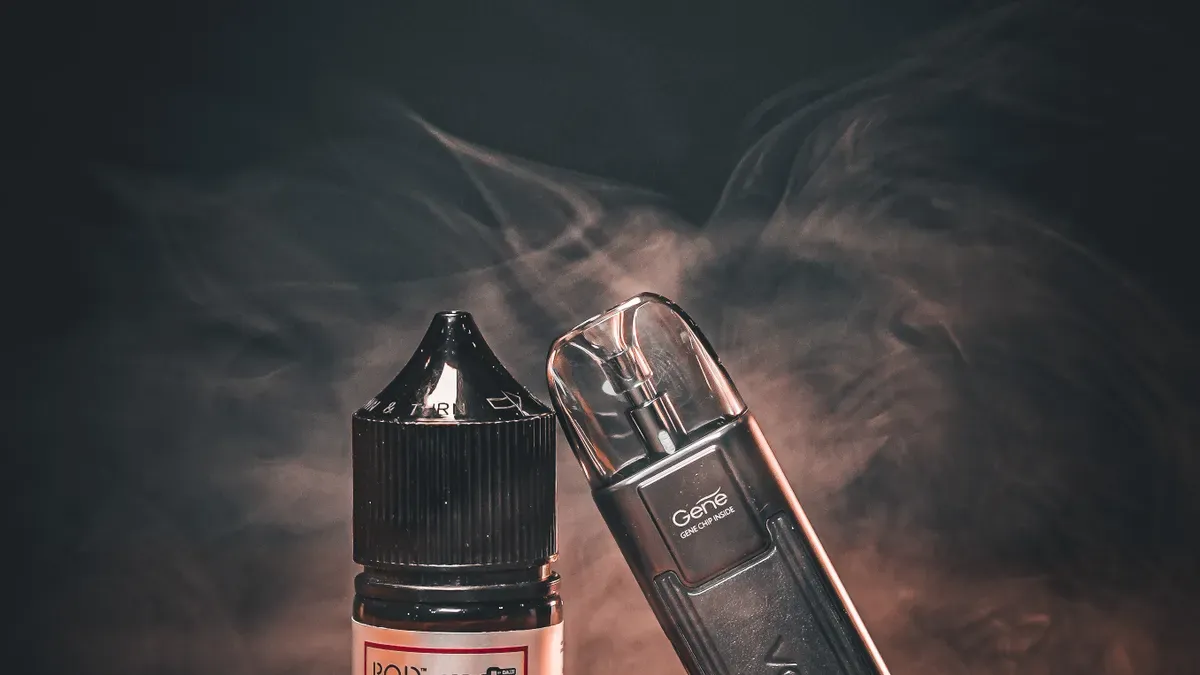
The liquid inside your vape and the world around you really change how easy it is to pull from your disposable vape. Knowing about these things helps you keep your device working well.
Viscosity Issues from Temperature and E-Liquid Type
Temperature has a big effect on your e-liquid. Cold weather, especially below 41°F, makes the e-liquid thicker. It becomes like a thick syrup or gel. This makes it harder for the device to work right. The cotton inside struggles to soak up the liquid fast enough. This can cause dry hits, where the coil burns the cotton, giving you a bad taste. When e-liquid gets thick, it also makes your disposable hard to pull. This is because the liquid cannot move easily through the device's parts. Very cold temperatures also make your battery weaker. This causes it to run out faster and make less vapor with each puff.
On the other hand, very hot temperatures make the e-liquid thinner. This makes it runny and can cause leaks. The thickness of the e-liquid must match how much heat the device puts out. Good makers design air paths that consider how thick the e-liquid is. They mix specific amounts of PG/VG for the best use. E-liquids with more VG are thicker. They are more likely to cause hard pulls because the thicker liquid has trouble soaking the coil.
You can fix a thick e-liquid problem. If your device is cold, warm it up. Rub the vape between your hands for one to two minutes. This rubbing creates gentle heat. You can also put the vape in a sealed plastic bag. Place it in a bowl of warm (not hot) water for three to five minutes. Do not let water touch the device directly. Dry the device completely afterward. Warming often helps the liquid flow again by making the thick e-liquid thinner.
Preventing and Resolving E-Liquid Flooding
Too much e-liquid is another common problem. This often happens because of how you store it. Storing your vape flat lets oil build up unevenly. This can block airflow if liquid gathers near the mouthpiece. Always store disposable vapes standing up with the mouthpiece pointing up. This uses gravity to keep the liquid in the tank and against the wick. It stops e-liquid from leaking into the chimney.
Pulling too hard also causes flooding. If you pull too strongly, it pushes too much e-liquid into the coil. Big changes in temperature can also lead to flooding. Cold weather makes the liquid thick, while hot weather makes it thin. Both can cause problems.
If your device has too much liquid, you can do things to fix it. First, listen for gurgling sounds. Feel if the pull is wet or tight. Look for leaks. These are signs of flooding. You can try a primer puff. Take several short, soft pulls from the mouthpiece without turning on the battery. This helps move small amounts of liquid that have built up. You can also blow gently into the mouthpiece five to ten times. This pushes out extra liquid. Do not inhale too hard, as this can push the blockage deeper. Another way is the spinning force method. Wrap the device in a paper towel. Hold the bottom and flick your wrist downward. This moves extra liquid out of the chimney. You can also try the blow-back method. Put your mouth over the air intake hole and blow gently. This clears the chimney and resets the pressure sensor. Be careful not to blow too hard to avoid it turning on by itself.
| QC Area | What B2B Buyers Should Check |
| Airflow Pathway | Air inlet size, mouthpiece channel, airflow consistency, and internal pathway alignment |
| Sensor Response | Activation sensitivity, sensor position, response delay, and sample consistency |
| Sealing Design | Mouthpiece fit, tank sealing, leakage-control structure, and storage test results |
| Viscosity Compatibility | Aperture size, ceramic core structure, oil-flow pathway, and temperature-related sample testing |
| Batch Inspection | Random sampling, airflow test, battery activation test, appearance check, and final packaging review |
Usage, Quality, and When to Replace Your Hard-to-Pull Disposable
Your vaping experience greatly depends on how you use and store your device. Understanding these factors helps you avoid issues and know when it is time for a new vape.
Optimizing Your Draw and Storage Habits
Your pull technique significantly impacts how long your disposable vape lasts and how well it performs. A slow, gentle draw, lasting 3–5 seconds, works best. You should use the Mouth-to-Lung (MTL) technique. This means you inhale vapor into your mouth first, then into your lungs. This method mimics a cigarette draw and is easy for beginners. Avoid forceful, hard pulls. Strong pulls can cause spit-back, flooding, or a burnt taste. Most disposables are designed for MTL vaping. Using a direct-to-lung (DTL) style wastes e-liquid and strains the battery. Shorter puffs of 1–2 seconds prevent the coil from overheating and reduce e-liquid use. Waiting 15–30 seconds between puffs allows the wick to re-saturate. This prevents dry hits and a burnt flavor. Chain vaping leads to dry wicks and permanent flavor damage, shortening your device's usable life. Controlled, moderate inhalation avoids excessive vapor depletion and extends the device's lifespan.
Recognizing Device Malfunctions and Quality Issues
Sometimes, a Disposable Hard to Pull issue comes from manufacturing faults or damaged parts. Low-quality or fake vapes often have irregular airflow, making them hard to pull. You might notice a change in flavor, like a dull or sour taste, as the e-liquid degrades. Weaker vapor production, where you get thin, wispy vapor, often means an aging coil or a weakening battery. A burnt or acrid taste is a clear sign the e-liquid is depleted, causing a dry hit. The LED indicator flashing on a non-rechargeable disposable means the battery is dead. For rechargeable ones, persistent flashing after charging indicates the end of its life. If your vape is non-responsive, with no vapor, flavor, or LED light when you inhale, the battery or sensor has failed. Physical damage, like cracks or visible leaks, also makes the device unsafe. When you need a reliable replacement, high-quality products offer a better vaping experience.
Your Disposable Hard to Pull issue often stems from blockages, e-liquid problems, or device faults. Proper use and maintenance are crucial. Apply these solutions to fix your vape. Replace it when faulty or at its end; bestvapesupply offers reliable options for a better experience.
FAQ
Why can disposable empty hardware feel hard to pull?
A hard-to-pull issue may be related to airflow pathway design, mouthpiece structure, sensor response, sealing layout, assembly tolerance, or viscosity compatibility. Buyers should confirm these details through sample testing and supplier specifications.
Is this article a repair guide?
No. This article is for B2B hardware review and QC analysis only. It does not provide repair instructions, usage guidance, medical advice, or purchasing guidance for filled products.
What should wholesale buyers check before ordering?
Buyers should confirm airflow design, sensor response, battery specification, resistance, heating element, sealing layout, material, packaging, MOQ, warehouse location, and lead time.
Can viscosity affect empty hardware performance?
Yes. Viscosity compatibility may affect oil-flow testing, airflow response, and overall hardware consistency. Buyers should verify compatibility with samples before bulk production.
Does this product include oil or filled material?
No. Best Vape Supply focuses on empty hardware only. No oil, nicotine, cannabis, concentrate, e-liquid, or filled consumable product is included.
0users like this.
0comments
- Empty Vape Hardware
- OEM vape hardware
- Dual Chamber Vape Hardware
- Thick Oil Vape Hardware
- dual chamber vape hardware
- Disposable Vapes
- Packman 4G
- ACE Ultra
- ACE Ultra Vape Pen
- Empty Disposable Hardware
- postless vape hardware
- OEM Manufacturing
- Rechargeable vape hardware
- Dual Chamber Hardware
- 10/10 Boys Switch
- Fryd dual chamber vape
- Fryd vape pen
- Fryd 2g
- Fryd disposable 2ml
- DRANKS DUAL Disposable Vape
- dual flavors
- Vape Battery
- HITZ ZEUS EDITION 2G
- HITZ Infinity Blue 2ML Pens
- HITZ Infinity
- HITZ ZEUS
- Dual Chamber Vape
- 2g Disposable
- Dual Tanks vape pen
- Disposable Vape Pens
- Wholemelt Phase Five Switch Vapes
- Wholemelt Switch Vapes 2G
- Wholemelt Vapes 2G
- DUAL Disposable Vape
- 2ML Dual Tanks
- 2G Disposable Vape
- MUHA MEDS Gen
- Splitz Vape Pen
- Splitz Vapes 2G
- Muha meds 2G
- Splitz 2ml
- TURNONE 2ML Empty Vape Hardware
- TURNONE 2ML
- customization
- 2ML Empty Vape
- ACE 2ml Vapes
- Packman 2ml vapes
- Whole Melt Candy Shop Switch 2G
- Whole Melt Candy Shop Switch
- dual-chamber
- OG Cake
- Cake 2ml vapes
- OG Cake Vape Pen
- Cake 2G Vapes
- MUHA MEDS Gen 3
- Muha meds 2ml
- Muha meds Switch
- Muha Meds 2.5G
- Sherbinskis Quattro 2G
- activation failure
- FAVORITES Disposable 3G
- Disposable 3G
- FAVORITES Disposable
- FRYD SWITCH DISPOSABLE 2G
- FRYD Switch 2G
- disposable vape
- FRYD 2g
- Dual Chamber Pens
- HITZ ZEUS Edition 2G
- MUHA MEDS Melted Diamonds vape
- HITZ ZEUS 2G
- MUHA MEDS Melted Diamonds 3.5G
- Push V2 Summer Vape Pen
- Push V2 Summer Vape Switch
- Push 2G Vape Switch
- Push 2G Switch
- Boutiq Switch ORB V5 Triple Tank
- Boutiq Switch ORB V5
- Boutiq Switch
- Triple Tank Vape
- Packman Partyboyz Disposable Vape
- Packman Partyboyz 3G
- Packman vape pen
- Packman 2g vapes
- Raw Garden Adjustable Voltage
- Raw Garden 2G
- Raw garden Vapes
- Raw garden vape pen
- MUHA MEDS Empty Vape Pen
- SHERBINSKIS QUATTRO 2G
- MUHA MEDS 2g Vape Pen
- dual chamber Vape Pen
- Muha Meds empty vape
- 3.5ML Muha Meds
- Muha Meds 2ml
- Crybaby Trios 3G
- Crybaby Trios 3G Empty Disposable Vape
- disposable vape hardware
- Muha Meds Gen 3 empty hardware
- HitZ Infinity 2G empty hardware
- Slugger Hit 3G Triple-Chamber Vape
- Multi-Flavor Hardware
- disposable empty hardware
- Airflow Blockage
- Thick Oil Empty Vape Hardware
- thick oil vape cartridge
- OEM empty vape hardware
- DONUTS Switch GEN 2 E
- 2ML Dual Chamber Vape
- DONUTS Switch Pen 2ML
- Boutiq Switch V5
- Boutiq Dual Chamber
- Empty Vape Hardware Quality Control
- LUIGI V9 2G Empty Vape Hardware
- Donuts Gen 2 Dual Chamber
- Sprinklez Disposable Vape
- Sprinklez Disposable 2G
- Muha meds glass jars
- ACE Glass jars
- custom packaging
- UNIPUFF SWITCH DISPOSABLE 2G
- Muha Meds GTA edition
- Alien Labs Dual Empty Disposable 2G
- Alien Labs Dual
- vape pen overheating
- vape hardware troubleshooting
- vape battery overheating
- Raw Garden Vape Pen
- Ceramic Coil
- rechargeable disposable
- 2ML Empty Vape Hardware
- OG Cake Legendary Edition
- CRYBABY TRIOS 3 IN 1
- Multi-Chamber Vape
- manufacturing process
- BIG CHIEF DUO V3 Empty Vape Hardware
- Single Chamber Vape Hardware
- Sluggers Hit dual chamber
- OEM vape manufacturer
- 510 Thread Vape Cartridge
- Dual chamber
- LED screen devices
- All-In-One Vape Hardware
- Dual Vape Hardware
- 510 cartridge hardware
- ceramic vape cartridge
- OEM cartridge supplier
- ACE Ultra 2ml Dual Chamber
- Donuts Switch V4 Dual Chamber
- Single-Chamber Disposables
- Ceramic Coil Guide
- Thick Oil Hardware
- CALI CLEAR 2G
- Oil flow problems
- Ace Ultra Switch
- Ace Ultra Premium Empty Vape Hardware
- LED screen vape hardware
- Smart vape hardware
- Voltage Control
- Buzz Bar 3G Switch
- 10/10 Boys Single Flavor
- multi chamber vape hardware
- Sluggers Dual Chamber
- SMOOTHIE BAR BLEND 3.0 Switch
- Switch Empty Vape Hardware
- Multi-Chamber Empty Vape Hardware
- vape hardware airflow
- multi-chamber hardware leakage
- BESOS 3 Flavors Switch
- BESOS 3 Flavors Switch Empty Vape Hardware
- Slugger Hit 3 tanks SWITCH 3G
- 10/10 Boys Switch clogging
- SHERBINSKIS QUATTRO 2G dual chamber vape hardware
- Packman x Jeeter DUAL CHAMBER Vape Hardware
- 2G disposable vape
- Empty Triple-Chamber Vape Hardware
- OEM triple chamber vape hardware
- postless dual-chamber vape hardware
- ceramic vape hardware
- triple chamber vape hardware
- 1mL + 1mL dual-chamber vape
- dual-chamber empty vape hardware
- Khalifa Kush Switch
- HOLLOWTIPS 2G vape hardware
- HOLLOWTIPS 2G empty vape
- Hollow Tips 2G empty vape
- Hollowtips V1 empty vape hardware

Your cart is currently empty.