
-
 Shopping Cart (0)
Cart Total:
Your cart is currently empty..
Vape Hardware Engineering
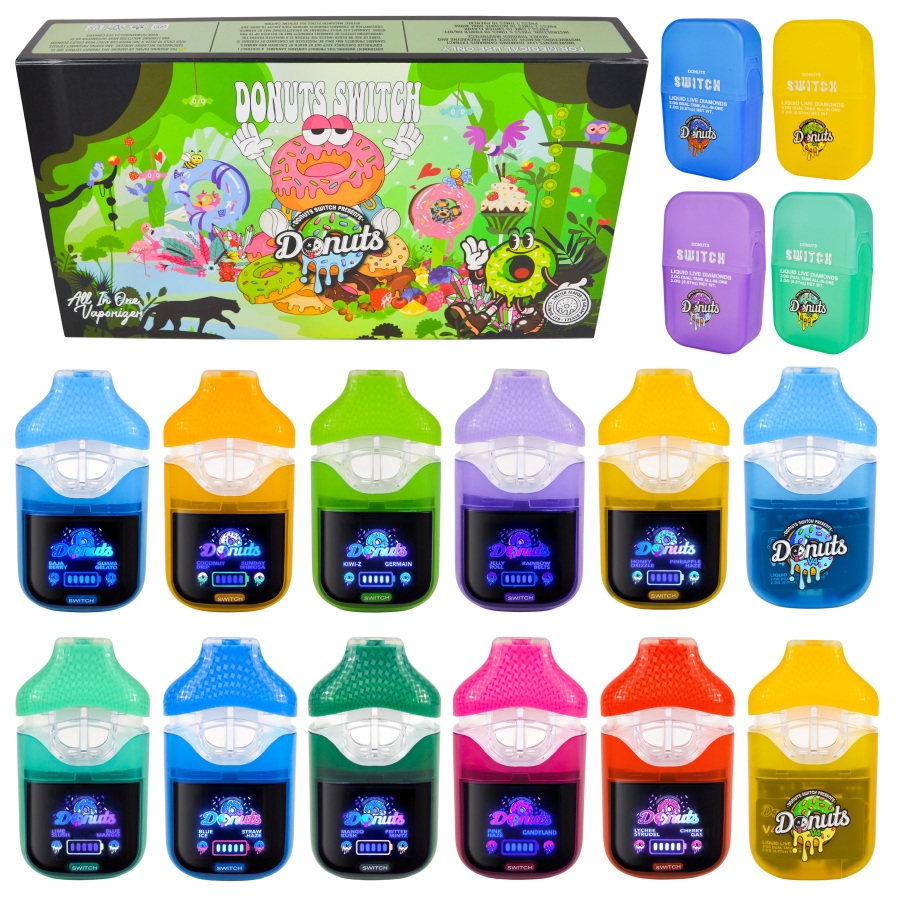
Donuts Switch V4 Dual Chamber Empty Vape Hardware: Engineering & OEM Analysis
- Monday, 21 September 2026
- 0
- 196
- 0
The Donuts Switch V4 is a dual-chamber empty vape hardware platform designed for brands, contract fillers, and OEM buyers. Its two-reservoir architecture combines independent chamber pathways with a shared battery and control system.
This article examines the V4 from a hardware and procurement perspective, including chamber architecture, heating components, airflow, activation, filling considerations, quality control, and OEM customization.
Its two-reservoir architecture combines independent chamber pathways with a shared battery and control system. The core design uses two isolated chambers that share a power and control setup. Readers will learn that dual-chamber isolation prevents cross-contamination and that draw-activated firing controls operation. They will also learn which V4 upgrades improve electronics and manufacturing tolerances, and what B2B procurement readiness requires: MOQs, filling compatibility, and compliance documentation. This analysis provides the technical reference data needed to evaluate the platform for production-scale filling operations. It covers the specifications that matter most to decision-makers.
Key Takeaways
- The Donuts Switch V4 uses two separate 1.0 mL chambers in one dual-chamber platform.
- Each chamber uses an independent heating channel, supporting separate chamber operation.
- The shared battery and PCB simplify the internal electronics architecture.
- Separate airflow and chamber pathways are important considerations for dual-chamber filling and QC.
- Draw activation removes the need for a physical firing button.
- Dual-chamber hardware offers more product configuration options but requires additional filling and QC considerations.
- OEM buyers should verify hardware specifications, filling-port compatibility, MOQ, testing and documentation before production.
- bestvapesupply gives free samples, custom branding, and help with big orders.
Donuts Switch V4 Hardware Overview
Build Materials And Form Factor
Chassis And Finish Construction
The Donuts Switch V4 has a small chassis made for handheld use and fast filling. The outer shell mixes strong plastic with a smooth finish that fights fingerprints and light scratches. This build handles repeated touching during assembly, shipping, and store display. The shape stays thin enough for normal packaging. Brands can add the hardware to their current disposable lines without changing their retail boxes.
The finish also does a real job. A smooth surface lowers friction during machine filling and capping. Shaped features on the chassis help line up the device inside filling fixtures. These physical details matter for contract fillers who run thousands of units each shift.
Dual-Color Injection Mouthpiece
The mouthpiece is made with a dual-color injection process. Two separate colors join into one molded part. Each color matches one chamber. This design gives users a clear visual sign for telling chambers apart. A user can see which side holds which mix without reading a label.
The dual-color method also helps with branding. OEM buyers can pick color pairs that fit their product identity. The mouthpiece stays as one piece, so it adds no assembly steps. This feature makes production simpler while improving the user experience.
Electrical And Coil Specifications
Battery And Output
The device runs on a battery. It gives a nominal output. This power setup feeds both chambers through one shared control board. The battery capacity fits the dual-chamber format. Each chamber holds a volume of liquid, so the total fill volume is proportionate. The power-to-volume ratio stays balanced for draw-activated use.
Dual Mesh Coils Per Channel
Each chamber uses a mesh coil. The system powers each channel at a specified wattage. Mesh coil geometry spreads heat evenly across the wicking surface. This design cuts dry hits and supports steady vapor output. The two coils work on their own. A user can fire one chamber or both at the same time.
| |||||||||||||||||||
Airflow And Vapor Path Design
Dual Intake And Chamber Isolation
The airflow system uses two intake ports. Each port feeds one chamber. This split keeps air from one chamber out of the other. The vapor path stays sealed off from the intake to the mouthpiece. This design supports clean flavor delivery for each formulation.
Condensation And Leakage Control
Condensation control depends on the internal vapor path geometry. The path sends condensed vapor away from the air intake. Sealing parts at the chamber joints lower leakage risk. These features matter for shelf life and for shipping. A well-sealed device loses less liquid during storage and transport.
How The Dual-Chamber System Works
Chamber Isolation And Independent Delivery
Separate Wicking And Heating Paths
Every chamber in the Donuts Switch V4 has its own wicking material and mesh coil. The two wicking paths stay apart from each other. Liquid in chamber A cannot get to the coil in chamber B. This physical split shapes the whole delivery system.
The wicking material pulls liquid from the reservoir to the mesh coil. Each coil gets power at a specified wattage. The mesh shape spreads heat over a wider area than a standard wire coil. This even heat lowers dry hits and keeps vapor output steady. A user can fire one chamber alone or both chambers together. The device does not lock in a fixed firing pattern.
Cross-Contamination Prevention
Cross-contamination occurs when liquid or vapor from one chamber gets into the other. The V4 design stops this in two ways. First, the airflow system uses two separate intake ports. Each port feeds only one chamber. Second, the vapor path stays sealed from the intake to the mouthpiece. These barriers keep flavors apart.
This isolation matters for formulation flexibility. A brand can pair a menthol mix with a fruit mix. The menthol note will not bleed into the fruit chamber. Contract fillers also gain from this. They can fill two different recipes on the same device without flavor carryover between production runs.
Shared Power And Control Components
Single PCB Driving Two Chambers
One printed circuit board controls both chambers. The board manages power delivery from the battery. It sends the appropriate voltage to each channel. The board also runs the draw sensor and the LED signals. This shared architecture cuts part count and makes assembly simpler.
A single board means fewer solder joints and fewer failure points. It also keeps the device small. Two separate boards would add thickness and weight. The shared design keeps the chassis thin enough for standard retail packaging.
Draw-Activated Sensor Logic
The device uses a draw-activated sensor. No button sits on the chassis. A user inhales, and the sensor picks up the pressure drop. The board then fires the coil. This logic works for single-chamber mode and dual-chamber mode.
The sensor must tell the difference between a light draw and a strong draw. It also must avoid false triggers during shipping. A well-tuned sensor ignores vibration and temperature swings. This tuning protects the device during storage and transport.
Design Philosophy Of The Dual-Chamber Format
Flavor Pairing And Formulation Flexibility
The dual-chamber format lets a user switch between two flavors without swapping devices. A user can vape one chamber in the morning and the other at night. The dual-color mouthpiece shows which chamber is which. This visual cue removes guesswork.
Brands gain formulation freedom. They can offer a paired set, such as tobacco and vanilla. They can also offer two unrelated flavors in one unit. This flexibility opens product concepts that a single-chamber device cannot support.
Trade-Offs In Size, Weight, And Cost
Two chambers need more internal volume than one. The chassis grows wider to hold both reservoirs. The battery must power two coils instead of one. This demand shapes the power budget.
Cost rises with complexity. Two coils, two wicking paths, and two intake ports add bill-of-materials cost. Filling also takes longer because the line must fill two reservoirs. A filler needs a nozzle that reaches both fill ports. These trade-offs do not make the format worse. They simply define which applications fit best.
| Factor | Single-Chamber | Dual-Chamber |
|---|---|---|
| Flavor options | One per device | Two per device |
| Internal volume | Smaller | Larger |
| Filling steps | One reservoir | Two reservoirs |
| Part count | Lower | Higher |
The dual-chamber format suits brands that want flavor variety in one unit. It suits fillers with the equipment to handle two fill ports per device. Buyers who need the lowest unit cost may prefer a single-chamber design. Buyers who want a differentiated product will find the trade-offs acceptable.
Operating Modes And Charging Behavior
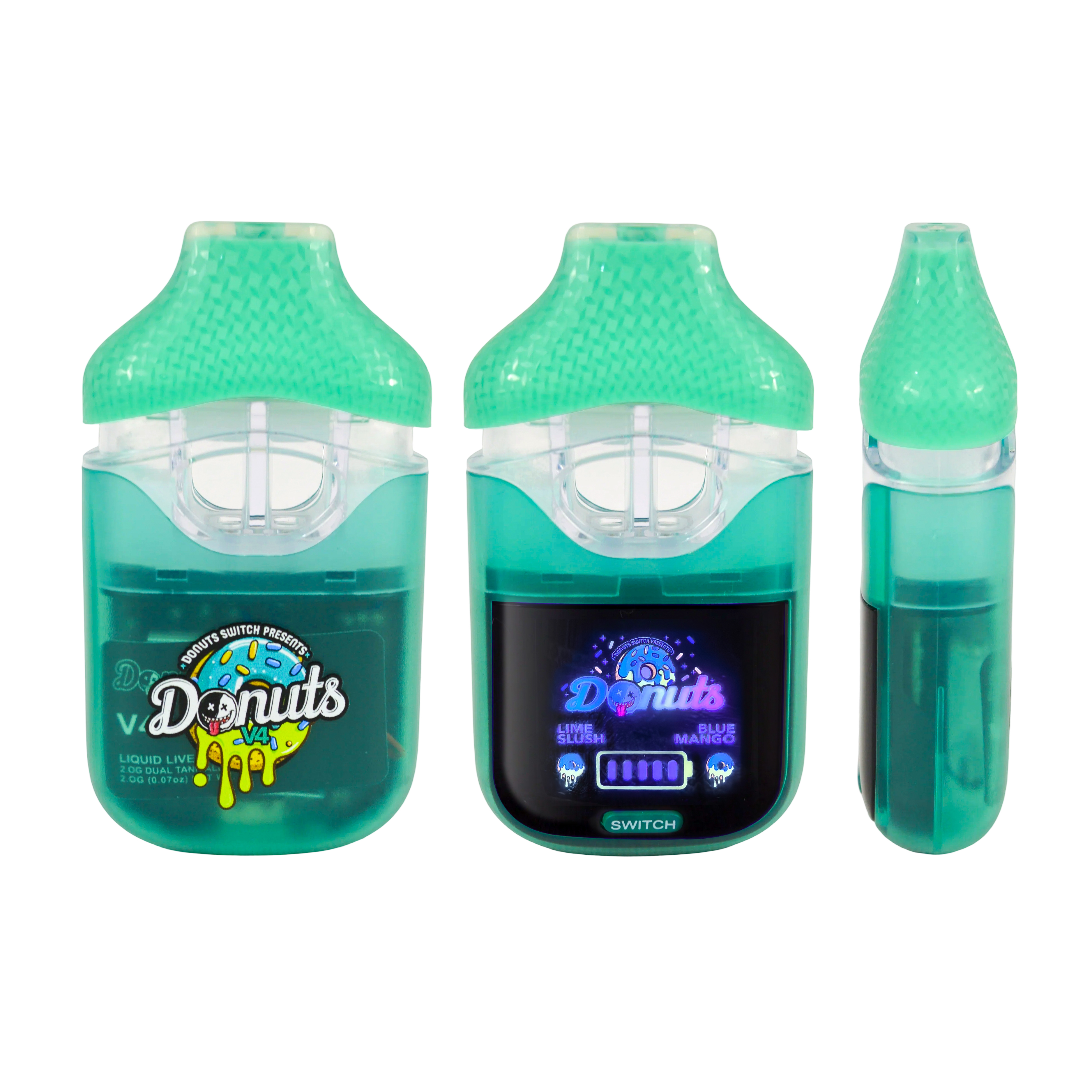
Draw-Activated Firing
Single-Chamber Mode
A user inhales on one side of the mouthpiece. The draw sensor picks up the pressure change in that channel. The PCB fires only the mesh coil in that chamber. The other chamber stays off. This single-chamber mode saves battery and lets the user pick one flavor at a time. The chambers stay isolated during firing. Vapor from the active chamber does not go into the other side.
The sensor can tell a normal draw from accidental triggers during handling. A steady inhale gives smooth power to the coil. Users who draw too softly may not start the sensor. This works like standard draw-activated vape hardware and stops unwanted firing in storage.
Dual-Chamber Simultaneous Mode
A user draws on both mouthpiece sides at the same time. The sensor detects the combined pressure change. The PCB powers both mesh coils at once. Each coil gets a specified wattage for a total draw from the battery. This mode delivers vapor from both chambers in one inhale. The power management circuit balances the load across the two channels.
This mode works well for users who want a mixed flavor experience. The dual-chamber system lets both chambers fire at once without cross-contamination. Both reservoirs empty at an even pace during steady dual-mode use. The run time is shorter than single-chamber mode, which means the device needs charging more often.
Charging Interface And Battery Management
Charging Port And Input Rating
The charging port on the bottom of the device uses a USB interface. It accepts a standard DC input. A user plugs the device into any standard USB power source, like a computer port or USB wall charger. The hardware package does not include a charging cable. OEM buyers must decide if they want to add a cable to the retail bundle. The port location lets the device charge upright without removing any parts.
Charge Time And Protection Circuitry
The battery charges through the USB port. A standard source charges the battery in a typical duration. Using a higher-current source may cut charge time, but the PCB limits the input current for safety. The protection circuits include overcharge protection, overdischarge protection, and short circuit protection. Overcharge protection stops charging once the battery reaches full voltage. Overdischarge protection cuts output when voltage gets too low. Short circuit protection turns off the output if a fault happens. These safety features match common vape hardware standards.
Status Indicators And User Feedback
LED Signals And Chamber Status
Each chamber has its own LED on the device body. The LED lights up when its chamber fires. A solid LED shows normal use. A flashing LED signals a change, like charging or low power. Single-chamber mode lights only the active chamber's LED. Dual-chamber mode lights both LEDs. This visual feedback tells users which chambers are in use and helps them handle the device.
Low-Battery Alerts
The PCB checks the battery voltage during firing. When the voltage drops below a set level, the LED flashes in a pattern different from the normal firing light. The user sees this pattern and knows to recharge. The device may also cut power or turn off dual-chamber mode to protect the battery. This gradual change gives the user time to find a charger before the device shuts down.
What's New In The Donuts Switch V4
Changes From Gen 2 And V3
Chamber Geometry And Capacity Updates
The V4 platform now has two separate chambers. Older versions used different chamber designs. The V4 shape gives each chamber its own sealed tank. This change brings the total fill volume to a suitable amount per device. The chamber walls now sit closer to the coil assembly. This tighter fit cuts dead space where liquid can gather. A filler gets more usable liquid from each unit. A user gets more puffs before the device runs dry.
The chamber shape also changed. The V4 uses a wider reservoir cross-section. This shape helps liquid flow toward the wicking material. Gravity pulls liquid down when the device sits upright. The wicking path stays wet during normal use. This design lowers the chance of a dry hit near the end of the fill.
Airflow And Sealing Improvements
Compared with earlier versions, the V4 platform is designed with updated chamber, airflow and sealing architecture. Buyers comparing different generations should confirm the exact specifications and internal structure of each production version before ordering.
Sealing also improved. The V4 uses tighter joints where the chamber meets the mouthpiece. These seals lower leakage risk during shipping and storage. Condensation control depends on the internal vapor path shape. The V4 path sends condensed vapor away from the air intake. This feature matters for shelf life. A well-sealed device loses less liquid over time.
Updated Electronics And Safety Logic
Revised Power Management
The V4 runs on a battery with a nominal output. The revised power management circuit balances load across two mesh coils. Each channel receives a specified wattage during firing. Dual-chamber mode draws a total wattage from the battery. The circuit handles this load without overloading either channel.
The updated board also improves efficiency. It cuts idle drain when the device sits unused. This change extends shelf life for filled units. A filler can store filled devices longer before shipment. The power management logic also protects the battery during dual-chamber firing. It limits current draw to safe levels.
Activation Sensitivity And Safety Logic
The draw-activated sensor received a sensitivity update. The V4 sensor tells the difference between a light draw and a strong draw. It also ignores vibration and temperature swings during shipping. This tuning stops false triggers in storage. Gen 2 and V3 sensors were more likely to activate by accident.
The safety logic now includes overcharge protection, overdischarge protection, and short circuit protection. Overcharge protection stops charging once the battery reaches full voltage. Overdischarge protection cuts output when voltage gets too low. Short circuit protection turns off the output if a fault happens. These features match common vape hardware standards.
Manufacturing And Assembly Changes
Tolerance And QC Improvements
The V4 platform tightens tolerances on chamber geometry and seal fit. Tighter tolerances mean parts fit together more consistently. This consistency lowers defect rates during assembly. A filler sees fewer units with leaks or poor airflow. The QC process now checks chamber isolation on every unit. This check confirms that liquid from one chamber cannot reach the other.
Assembly also changed. The V4 uses fewer solder joints on the PCB. A single board drives both chambers. This shared architecture cuts part count and failure points. The dual-color injection mouthpiece joins two colors into one molded part. This design adds no assembly steps. Production stays simple while the user experience improves.
Shared PCB and Dual-Channel Power Management
| Component | Function |
|---|---|
| Battery | Supplies electrical power |
| PCB | Controls activation and output |
| Draw Sensor | Detects inhalation |
| Channel Control | Controls chamber firing |
| LED | Provides device status |
Material And Supply Chain Notes
The V4 chassis mixes strong plastic with a smooth finish. This material resists fingerprints and light scratches. It handles repeated touching during assembly, shipping, and store display. The finish also lowers friction during machine filling and capping. Shaped features on the chassis help line up the device inside filling fixtures.
Supply chain notes matter for B2B buyers. The V4 uses standard USB charging interfaces. It accepts a standard DC input from common power sources. OEM buyers can source cables from many suppliers. The mesh coil material and wicking media come from established vendors. These choices lower supply risk for production-scale filling operations. The Donuts Switch V4 platform gives buyers a stable hardware base for long production runs.
Flavor Label Configurations And Disposable Comparison
Flavor Label Options And Customization
Label Placement And Chamber Identification
Labels on the device body must line up with each chamber. The two-color mouthpiece acts as a visual guide for telling chambers apart. Labels give a second layer of information. A filler puts one label near each chamber side. Each label shows the flavor name or a code number. This setup lets a user check which side holds which mix.
Some buyers pick a single label that wraps around the chassis. That design shows both chamber details in one space. Other buyers use two separate labels for each chamber. Two labels work well for brands that change flavor pairs often. The label material must handle repeated touching and heat. Standard paper labels work for short shelf life. Durable vinyl labels hold up over longer storage periods.
Custom Branding And OEM Labeling
OEM buyers can customize labels with their own brand identity. A buyer picks the label shape, colors, and text. The label includes the brand logo and the flavor name. Regulatory information like nicotine warnings must also appear. The label design must show the chamber layout clearly. A user should understand which side to inhale from.
The labeling process adds a step after the hardware comes from the factory. A filler can apply labels during the filling and packing line. The label placement must not block the air intake ports. A well-placed label guides the user without hurting device performance.
Dual-Chamber Vs. Single-Chamber Disposables
Flavor Flexibility And User Experience
A dual-chamber device gives a user two flavors in one unit. A single-chamber device holds just one flavor per device. The user of a dual-chamber device can switch flavors at any time. The user does not need to carry a second device. This flexibility works well for all-day use.
A single-chamber device offers simpler operation. A user picks one flavor and uses it until the device runs dry. No decision between chambers occurs during use. The user experience feels more direct. Brands choose dual-chamber for variety and single-chamber for simplicity. Both designs serve different user needs.
| Feature | Dual-Chamber | Single-Chamber |
|---|---|---|
| Flavors per device | Two | One |
| User action | Choose chamber | No choice |
| Carrying requirement | One device | Two devices for two flavors |
| Complexity | Higher | Lower |
Hardware Cost And Filling Complexity
A dual-chamber device costs more to produce. Two chambers need two coils, two wicking paths, and extra sealing parts. The single PCB drives two channels with more demanding power management. The bill-of-materials total exceeds a single-chamber device.
Filling complexity also rises. A filler must fill two reservoirs per device. The filling line needs a nozzle that reaches both ports. Single-chamber devices need just one filling station per unit. Dual-chamber devices need two filling stations or a slower fill cycle. This factor raises the total production cost per unit.
Best-Fit Applications
Use Cases For Brands And Contract Fillers
The dual-chamber format fits brands that want flavor variety. A brand can offer a tobacco and a menthol pair in one package. A brand can also offer two unrelated flavors for sampling. Contract fillers with dual-nozzle equipment can fill these devices efficiently. The format suits retail displays that highlight flavor pairs.
A brand testing new flavors can use the Donuts Switch V4 platform. Each device carries one established flavor and one new test flavor. The user tries both. The brand collects feedback on the new flavor. This setup lowers the risk of a full product launch.
Limitations And Unsuitable Applications
The dual-chamber format does not work for every buyer. A buyer who needs the lowest unit cost should choose a single-chamber design. A filling line without dual-nozzle capability cannot fill the device fast enough. The larger chassis takes more space in retail packaging. A buyer with limited shelf space may prefer smaller single-chamber units.
The dual-chamber design also requires careful labeling. A mislabeled chamber creates user confusion. The QC process must check that each label matches the correct chamber. These limitations define the best-fit applications. Buyers who understand these factors make better procurement decisions.
How to Evaluate Donuts Switch V4 Before Bulk Production
Before placing a bulk order, buyers should verify:
1. Chamber capacity
2. Coil resistance
3. Battery capacity
4. Fill-port compatibility
5. Airflow performance
6. Leakage resistance
7. Activation sensitivity
8. Charging function
9. Appearance consistency
10. Packaging requirements
Donuts Switch V4 Procurement Checklist for Wholesale Buyers
bestvapesupply provides empty vape hardware, OEM services, and fulfillment from overseas warehouses. The company works with brands, contract fillers, and OEM buyers who need large amounts of the Donuts Switch V4 platform. Procurement teams can get empty devices, set up custom branding, and arrange delivery through regional warehouses.
Ordering And Minimum Order Quantities
MOQ Tiers And Packaging Formats
Order amounts change based on how much you customize. Standard OEM production runs for one flavor or design need 5,000 to 10,000 units. Simpler products or test runs may only need 500 units. ODM orders start at 1,000 units. Custom features raise the MOQ because tooling and setup costs go up.
| Category | Minimum Order Quantity / Pricing Rule |
|---|---|
| OEM production runs (per flavor/design) | 5,000–10,000 units |
| OEM MOQ (test runs/simpler products) | 500 units |
| ODM MOQ | 1,000 units |
| Volume discount example | 10,000 devices cost less per unit than 1,000 devices |
| Custom features | Higher MOQs due to tooling and setup costs |
Packaging formats follow what the buyer wants. Choices include individual poly bags, blister packs, and retail-ready boxes. Buyers should confirm packaging requirements during the quoting stage.
Lead Times And Customization Windows
Lead times depend on order size and how much you customize. Standard empty hardware ships faster than custom-branded units. Customization windows open after design approval and close before production scheduling. Buyers who need faster turnaround can pay a pilot program fee. This fee covers priority scheduling and small-run paperwork.
Several procurement models reduce upfront risk. Tiered-MOQ pricing separates sample, pilot, and commercial batch prices. Consignment or vendor-managed inventory places supplier stock at regional hubs. Shared-run pooling combines multiple small orders into one production run. Purchase commitments across SKUs can lower MOQs or unlock tiered discounts.
Storage Conditions And Shelf Life
Temperature And Humidity Requirements
Empty hardware and filled devices need controlled storage. High heat can break down sealing materials and battery components. High humidity can bring moisture into the airflow path. Warehouses should keep stable conditions away from direct sunlight. Buyers should confirm storage specifications with bestvapesupply before committing to long-term inventory.
Empty-Hardware Vs. Filled-Device Storage
Empty hardware lasts longer on the shelf than filled devices. No liquid sits in the reservoir, so leakage risk stays low. Filled devices need more careful handling. The liquid can break down over time or react with wicking materials. Buyers should rotate filled stock on a first-in, first-out basis. bestvapesupply can advise on storage timelines for both formats.
Handling And Filling Best Practices
Filling Equipment Compatibility
The dual-chamber design needs a filling nozzle that reaches both ports. Standard single-nozzle lines may need changes or a slower fill cycle. Automated lines with dual-nozzle capability handle the device efficiently. Buyers should check nozzle diameter and fill-port alignment before production. bestvapesupply provides hardware samples for line testing.
Post-Fill Testing And QC Checkpoints
Quality control after filling confirms chamber isolation and seal integrity. Testers check that liquid from one chamber cannot reach the other. They also verify airflow through both intake ports. Leak testing catches defects before packaging. Buyers should set up QC checkpoints at filling, capping, and final inspection. bestvapesupply supports buyers with documentation and replacement policies for defective units.
Buyer Considerations Before Ordering
Compatibility With Existing Filling Lines
Nozzle And Fill-Port Fit
The dual-chamber design needs a filling nozzle that can reach both ports. A standard single-nozzle line may need changes or a slower fill cycle. Buyers should check nozzle diameter and fill-port alignment before production starts. bestvapesupply gives hardware samples so buyers can test their lines. A filler who confirms fit early avoids expensive line stoppages later.
Throughput And Automation Considerations
Automated lines with dual-nozzle capability can handle the device efficiently. A line without that setup must fill one chamber at a time. This slower cycle makes the cost per unit go up. Buyers should measure their current throughput and compare it to what the dual-chamber design needs. A pilot run on the real filling line gives the most trustworthy data.
Regulatory And Compliance Touchpoints
Labeling And Documentation Requirements
Labels must show the flavor name, brand logo, and required warnings. The label design must also make the chamber layout clear. A user should know which side to inhale from. Buyers should make sure label placement does not block the air intake ports. Paperwork for each shipment should match the rules of the destination market.
Region-Specific Hardware Restrictions
Hardware rules are different in each region. Some markets limit device capacity or battery size. Others require specific safety markings. Buyers should check local rules before committing to a production run. bestvapesupply can give advice on documentation needs for different destinations.
Total Cost Of Ownership Factors
Unit Cost Vs. Defect Rate
A lower unit price can hide a higher defect rate. A buyer who pays less per device may lose more to leaks or dead units. The true cost per good unit equals total cost divided by the number of working devices. Buyers should ask the supplier for defect data and run their own QC checks after filling.
After-Sales Support And Replacement Policy
A clear replacement policy lowers risk. bestvapesupply supports buyers with documentation and replacement terms for defective units. Buyers should confirm the policy covers leaks, dead coils, and charging faults. A written policy protects both sides during large orders.
What Should Buyers Test Before Production?
Based on standard hardware procurement workflows, buyers should test the actual empty hardware with their intended filling process before approving a commercial production run.
The evaluation should include chamber filling, sealing, airflow, activation, charging and appearance consistency.
The dual-chamber design gives you two separate flavors in one device. They do not mix together. Brands can pair different flavors easily. Users can switch between chambers or use both at the same time.
Buyers looking at the Donuts Switch V4 should know the main specs. Each chamber holds a volume. The battery is a standard capacity. It puts out a nominal voltage. The coils are dual mesh and run at a specified wattage per side. V4 upgrades include better seals, updated power control, and tighter build quality. These design changes are intended to improve assembly consistency, sealing performance and overall hardware reliability.
Brands that have dual-nozzle filling lines and want flavor variety get the most from this platform. Buyers who need the cheapest cost per device should look at single-chamber options. Dual-chamber empty vape hardware is moving toward easier use in large-scale filling.
FAQ
How does the dual-chamber system keep flavors separate?
Two separate airflow ports, wicking paths, and sealed vapor paths keep the chambers apart. Liquid from chamber A cannot get into chamber B. This design stops flavor mixing during use.
What improvements does the V4 offer over earlier versions?
V4 upgrades include tighter seals, a second airflow intake port, revised power management, and better draw sensor tuning. These changes lower leakage risk and give cleaner flavor from each chamber.
What minimum order quantities apply to buyers?
Standard OEM production needs 5,000 to 10,000 units per flavor or design. Test runs need 500 units. Custom features raise the MOQ because tooling and setup costs go up.
What makes dual-chamber hardware more complex than single-chamber hardware?
Dual-chamber platforms require additional reservoirs, heating channels, airflow pathways and control logic, so filling and QC procedures require additional attention.
What storage conditions does the empty hardware need?
Empty hardware lasts longer than filled devices. Warehouses should keep stable temperatures away from direct sunlight. High humidity can damage sealing materials over time.
What should wholesale buyers check before ordering Donuts Switch V4 hardware?
Buyers should verify chamber capacity, coil specifications, battery configuration, filling-port compatibility, leakage testing, customization requirements, MOQ and current stock status.
Can a user fire both chambers at the same time?
Yes. A user draws on both mouthpiece sides. The PCB powers both mesh coils at once. Each coil gets a specified wattage for a total wattage in simultaneous mode.
What branding customization does the OEM process allow?
OEM buyers can customize labels with brand logos, flavor names, and regulatory warnings. The dual-color injection mouthpiece supports brand color pairs. Label placement must not block the air intake ports.
## About This Article
Written by:
Best Vape Supply Hardware Engineering Team
Reviewed by:
Product Development & QC Team
Areas of Expertise:
• Empty Vape Hardware
• Dual-Chamber Systems
• Mesh Heating Technology
• Airflow Design
• OEM Manufacturing
• Hardware Quality Control
0users like this.
0comments
- Empty Vape Hardware
- OEM vape hardware
- Dual Chamber Vape Hardware
- Thick Oil Vape Hardware
- dual chamber vape hardware
- Disposable Vapes
- Packman 4G
- ACE Ultra
- ACE Ultra Vape Pen
- Empty Disposable Hardware
- postless vape hardware
- OEM Manufacturing
- Rechargeable vape hardware
- Dual Chamber Hardware
- 10/10 Boys Switch
- Fryd dual chamber vape
- Fryd vape pen
- Fryd 2g
- Fryd disposable 2ml
- DRANKS DUAL Disposable Vape
- dual flavors
- Vape Battery
- HITZ ZEUS EDITION 2G
- HITZ Infinity Blue 2ML Pens
- HITZ Infinity
- HITZ ZEUS
- Dual Chamber Vape
- 2g Disposable
- Dual Tanks vape pen
- Disposable Vape Pens
- Wholemelt Phase Five Switch Vapes
- Wholemelt Switch Vapes 2G
- Wholemelt Vapes 2G
- DUAL Disposable Vape
- 2ML Dual Tanks
- 2G Disposable Vape
- MUHA MEDS Gen
- Splitz Vape Pen
- Splitz Vapes 2G
- Muha meds 2G
- Splitz 2ml
- TURNONE 2ML Empty Vape Hardware
- TURNONE 2ML
- customization
- 2ML Empty Vape
- ACE 2ml Vapes
- Packman 2ml vapes
- Whole Melt Candy Shop Switch 2G
- Whole Melt Candy Shop Switch
- dual-chamber
- OG Cake
- Cake 2ml vapes
- OG Cake Vape Pen
- Cake 2G Vapes
- MUHA MEDS Gen 3
- Muha meds 2ml
- Muha meds Switch
- Muha Meds 2.5G
- Sherbinskis Quattro 2G
- activation failure
- FAVORITES Disposable 3G
- Disposable 3G
- FAVORITES Disposable
- FRYD SWITCH DISPOSABLE 2G
- FRYD Switch 2G
- disposable vape
- FRYD 2g
- Dual Chamber Pens
- HITZ ZEUS Edition 2G
- MUHA MEDS Melted Diamonds vape
- HITZ ZEUS 2G
- MUHA MEDS Melted Diamonds 3.5G
- Push V2 Summer Vape Pen
- Push V2 Summer Vape Switch
- Push 2G Vape Switch
- Push 2G Switch
- Boutiq Switch ORB V5 Triple Tank
- Boutiq Switch ORB V5
- Boutiq Switch
- Triple Tank Vape
- Packman Partyboyz Disposable Vape
- Packman Partyboyz 3G
- Packman vape pen
- Packman 2g vapes
- Raw Garden Adjustable Voltage
- Raw Garden 2G
- Raw garden Vapes
- Raw garden vape pen
- MUHA MEDS Empty Vape Pen
- SHERBINSKIS QUATTRO 2G
- MUHA MEDS 2g Vape Pen
- dual chamber Vape Pen
- Muha Meds empty vape
- 3.5ML Muha Meds
- Muha Meds 2ml
- Crybaby Trios 3G
- Crybaby Trios 3G Empty Disposable Vape
- disposable vape hardware
- Muha Meds Gen 3 empty hardware
- HitZ Infinity 2G empty hardware
- Slugger Hit 3G Triple-Chamber Vape
- Multi-Flavor Hardware
- disposable empty hardware
- Airflow Blockage
- Thick Oil Empty Vape Hardware
- thick oil vape cartridge
- OEM empty vape hardware
- DONUTS Switch GEN 2 E
- 2ML Dual Chamber Vape
- DONUTS Switch Pen 2ML
- Boutiq Switch V5
- Boutiq Dual Chamber
- Empty Vape Hardware Quality Control
- LUIGI V9 2G Empty Vape Hardware
- Donuts Gen 2 Dual Chamber
- Sprinklez Disposable Vape
- Sprinklez Disposable 2G
- Muha meds glass jars
- ACE Glass jars
- custom packaging
- UNIPUFF SWITCH DISPOSABLE 2G
- Muha Meds GTA edition
- Alien Labs Dual Empty Disposable 2G
- Alien Labs Dual
- vape pen overheating
- vape hardware troubleshooting
- vape battery overheating
- Raw Garden Vape Pen
- Ceramic Coil
- rechargeable disposable
- 2ML Empty Vape Hardware
- OG Cake Legendary Edition
- CRYBABY TRIOS 3 IN 1
- Multi-Chamber Vape
- manufacturing process
- BIG CHIEF DUO V3 Empty Vape Hardware
- Single Chamber Vape Hardware
- Sluggers Hit dual chamber
- OEM vape manufacturer
- 510 Thread Vape Cartridge
- Dual chamber
- LED screen devices
- All-In-One Vape Hardware
- Dual Vape Hardware
- 510 cartridge hardware
- ceramic vape cartridge
- OEM cartridge supplier
- ACE Ultra 2ml Dual Chamber
- Donuts Switch V4 Dual Chamber
- Single-Chamber Disposables
- Ceramic Coil Guide
- Thick Oil Hardware
- CALI CLEAR 2G
- Oil flow problems
- Ace Ultra Switch
- Ace Ultra Premium Empty Vape Hardware
- LED screen vape hardware
- Smart vape hardware
- Voltage Control
- Buzz Bar 3G Switch
- 10/10 Boys Single Flavor
- multi chamber vape hardware
- Sluggers Dual Chamber
- SMOOTHIE BAR BLEND 3.0 Switch
- Switch Empty Vape Hardware
- Multi-Chamber Empty Vape Hardware
- vape hardware airflow
- multi-chamber hardware leakage
- BESOS 3 Flavors Switch
- BESOS 3 Flavors Switch Empty Vape Hardware
- Slugger Hit 3 tanks SWITCH 3G
- 10/10 Boys Switch clogging
- SHERBINSKIS QUATTRO 2G dual chamber vape hardware
- Packman x Jeeter DUAL CHAMBER Vape Hardware
- 2G disposable vape
- Empty Triple-Chamber Vape Hardware
- OEM triple chamber vape hardware
- postless dual-chamber vape hardware
- ceramic vape hardware
- triple chamber vape hardware
- 1mL + 1mL dual-chamber vape
- dual-chamber empty vape hardware
- Khalifa Kush Switch
- HOLLOWTIPS 2G vape hardware
- HOLLOWTIPS 2G empty vape
- Hollow Tips 2G empty vape
- Hollowtips V1 empty vape hardware

Your cart is currently empty.