
-
 Shopping Cart (0)
Cart Total:
Your cart is currently empty..
Vape Hardware Engineering
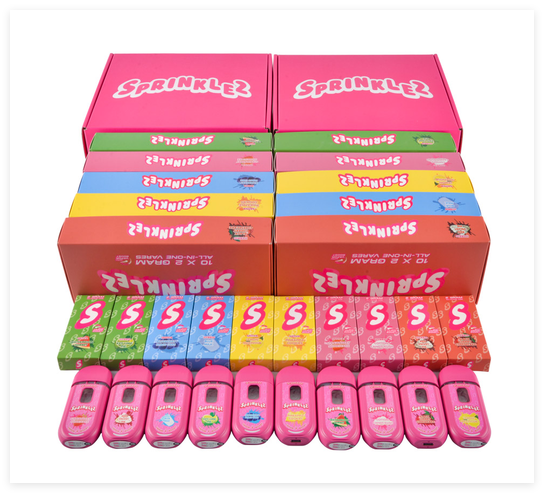
Sprinklez Disposable 2G Empty Vape Hardware Oil Leakage: Causes & Solutions
- Saturday, 29 August 2026
- 0
- 745
- 0
Oil leakage is one of the most common quality concerns when selecting disposable vape hardware.
For Sprinklez 2G empty vape hardware, leakage performance depends on multiple factors including sealing structure, airflow balance, oil viscosity compatibility, heating system and manufacturing consistency.
This guide explains the engineering causes behind oil leakage and provides QC considerations for wholesalers and vape brands evaluating hardware suppliers.
and how you can prevent leaks with tips from bestvapesupply. Knowing these factors helps you avoid messes and makes your device last longer.Important Notice: This article discusses empty vape hardware only. No oil, nicotine, cannabis, concentrate, e-liquid or filled consumable product is included.
Key Takeaways
✓ Proper sealing structure helps reduce oil seepage during storage and transportation.
✓ Wick saturation must match oil viscosity to avoid flooding or dry hits.
✓ QC inspection before mass production helps identify leakage risks.
✓ Hardware compatibility is critical when working with thick oils and high-terpene formulations.
How the Sprinklez 2G Hardware Works
Understanding the internal layout of your Sprinklez 2G helps you see why leaks happen. The device contains three main parts: the coil, the wick, and the tank. Each part plays a specific role in delivering vapor. When these parts work together correctly, you get smooth hits without mess. When something goes wrong, oil escapes through seals or airflow paths.
Coil and Wick Assembly
The coil sits inside the device and heats the oil. The wick surrounds the coil and draws oil from the tank toward the heating element. Proper wick saturation is critical. If the wick holds too much oil, it floods. If it holds too little, you get dry hits. The wick must balance oil flow with heat output.
| Component | Leakage Risk | Engineering Focus |
|---|---|---|
| Tank | Oil seepage | Material strength & sealing |
| Wick | Flooding | Oil absorption balance |
| Coil | Poor vaporization | Heating consistency |
| Airflow Channel | Oil entering airway | Pressure balance |
| Mouthpiece | Condensation | Vapor path design |
| Silicone Seal | Oil escaping | Compression reliability |
bestvapesupply designs the coil and wick assembly with precision threading and reinforced center posts. These features keep the components aligned during use. Tighter manufacturing tolerances mean fewer gaps where oil can escape. The silicone sealing system around the coil prevents seepage even when pressure builds inside the tank. You benefit from these design choices every time you take a puff.
Tank and Airflow Design
The tank stores your oil until the wick pulls it in. Borosilicate glass forms the tank walls. This material resists cracking and maintains its shape under temperature changes. Precision metal components surround the glass and hold everything in place. Together, these materials prevent seal deformation that leads to leaks.
Airflow channels run from the mouthpiece down to the coil. These channels balance draw resistance with efficient vapor production. When you inhale, air moves through the channels and creates pressure equilibrium inside the tank. This balance stops oil from being pushed out through the seals. The airflow path also keeps condensation from pooling near the mouthpiece.
You can see the design philosophy clearly: every component supports pressure control. The seals, the glass, the metal parts, and the airflow channels all work as one system. When you understand this system, you can spot potential problems before they become leaks.
Common Causes of Oil Leakage in Sprinklez Disposable Vape
Oil Leakage in Sprinklez Disposable Vape devices rarely comes from just one cause. Usually, you deal with a mix of weather, how you use the device, and sometimes small flaws in the parts. Knowing each trigger helps you find where the leak starts and fix it fast.
Environmental and User-Related Triggers
Oil thickness is the biggest reason for leaks. Vape oil changes thickness with heat and cold. When you take your device into cold air, the oil gets thicker. Thick oil has a hard time moving through the wick. This causes oil to pile up in the tank. When you warm the device later, the oil thins out quickly. Thin oil slips through tiny gaps in the seals. You end up with wet spots near the mouthpiece or along the side of the device.
Heat causes similar problems. Leaving your Sprinklez 2G on a car dashboard or near a window makes the oil too thin. Thin oil moves too easily. It skips the wick and goes straight into the airflow channel. You hear gurgling sounds when you inhale. That gurgling means oil is sitting in the airway instead of turning into vapor on the coil.
How you use the device also matters. Chain vaping fills the wick with too much oil. Each puff pulls new oil into the wick. When you take quick hits, the wick cannot soak up and vaporize the oil fast enough. Extra oil floods the coil chamber. That flooding pushes oil out through the seals. You should wait a few seconds between puffs so the wick can soak up oil properly.
Storage position affects leaks too. Laying the device on its side lets oil move into the airway opening. Gravity pulls oil toward the lowest point. If that point is the mouthpiece, you get oil in your mouth. Always store your device upright at room temperature. Avoid big temperature swings that cause fast thickness changes.
Low battery power creates another issue. A weak battery cannot heat the coil evenly. Incomplete vaporization leaves oil sitting on the coil surface. This leftover oil builds up and eventually leaks out. Charge your device fully before long use.
Hardware and Material Defects
Sometimes the problem is inside the device itself. Poor manufacturing leads to weak spots in the build. Devices made with cheap materials or loose parts develop gaps over time. These gaps let e-liquid escape even when you use the device normally.
Design flaws also cause leaks. Weak sealing systems fail to hold the oil in. Poorly set airflow channels create pressure problems. Incompatible wicking materials cannot handle the oil flow. Each of these issues makes the device more likely to fail.
Terpenes actively react with internal parts. These natural compounds in your oil can break down silicone gaskets and plastic parts over time. The breakdown weakens the seals. Eventually, the seals crack or shrink, creating paths for leaks. This process takes time, but you see the results as constant wetness.
- Terpenes break down silicone gaskets and internal plastic parts over time
- Broken-down materials lose their sealing power and cause structural leaks
- Poor manufacturing creates loose parts and weak assembly points
- Design flaws include weak seals and poorly set airflow channels
bestvapesupply avoids these problems through careful testing. The company runs long-term compatibility and shelf-life tests. These tests make sure terpenes do not break down internal parts or release harmful substances. The result is a device that stays strong for its whole life.
You can spot material defects by checking your device. Look for cracks in the tank or gaps around the seals. Check whether the mouthpiece fits snugly. If you see anything odd, stop using the device right away. A broken unit will only leak more over time.
Most Oil Leakage in Sprinklez Disposable Vape cases come from how you use the device or the environment around it. Hardware defects happen less often, especially with quality brands. By knowing these causes, you can take steps to prevent leaks before they start.
How Suppliers Test Disposable Vape Hardware Leakage
Professional hardware suppliers usually evaluate leakage performance through:
1. Vacuum leakage test
2. Oil compatibility test
3. Temperature cycle test
4. Drop and transportation test
5. Long-term storage test
6. Airflow inspection
7. Assembly tolerance inspection
Preventing Oil Leakage: bestvapesupply’s Tips
You can stop most leaks before they start. The key is how you store the device, how you use it, and which hardware you pick. These three things cover almost every cause of Oil Leakage in Sprinklez Disposable Vape devices. Follow these simple tips, and you will keep your device clean and working well.
Proper Storage and Handling
Store your Sprinklez 2G upright at room temperature. This easy habit stops oil from gathering near the mouthpiece. When you lay the device flat, gravity pulls oil toward the lowest spot. That spot is often the airway opening. You end up with oil in your mouth and a messy device.
Keep the device away from direct sunlight. A windowsill or a car dashboard gets hot fast. Heat makes the oil thinner. Thin oil moves through seals too easily. You hear gurgling sounds when you inhale. That sound means oil sits in the airflow channel instead of turning into vapor on the coil.
Avoid extreme cold too. Cold air makes the oil thicker. Thick oil cannot move through the wick well. It backs up in the tank. When the device warms up again, the oil thins quickly. This fast change pushes oil through weak spots. You see wet areas around the seals.
Your usage habits matter just as much as storage. Do not chain vape. Each puff pulls fresh oil into the wick. When you take quick hits, the wick cannot soak up and vaporize the oil fast enough. Extra oil floods the coil chamber. That flooding pushes oil out through the seals. Wait a few seconds between puffs. Give the wick time to soak up the oil properly.
Charge your battery fully before long sessions. A weak battery heats the coil unevenly. Incomplete vaporization leaves oil sitting on the coil surface. This leftover oil builds up over time. Eventually, it leaks out. A full charge gives steady heat and complete vaporization.
Check your device often for signs of trouble. Look for cracks in the tank. Feel for wetness around the mouthpiece. Listen for gurgling sounds. If you notice any of these signs, stop using the device. Fix the problem before it gets worse.
Selecting Reliable Hardware
Your choice of hardware decides how likely you are to face leaks. Cheap devices often use low-quality materials. These materials break down quickly. Seals shrink or crack. Plastic parts become brittle. The result is a device that leaks no matter how carefully you handle it.
Choose hardware from trusted brands like bestvapesupply. The company runs strict quality checks on every batch. Each device gets tested for seal strength and wicking performance. This testing catches problems before the device reaches your hands.
bestvapesupply uses borosilicate glass for the tank. This material resists cracking when temperature changes. The silicone sealing system holds oil in place even when pressure builds inside the tank. Precision metal parts keep everything lined up. These design choices lower the chance of leaks a lot.
The company also tests for terpene compatibility. Terpenes in your oil can break down silicone and plastic over time. bestvapesupply makes sure its materials resist this breakdown. Your device stays strong for its whole life.
When you buy from bestvapesupply, you get more than a device. You get a product made to prevent leaks from the start. The company stands behind its hardware quality. If you follow the storage and handling tips above, your device will work well without messy surprises.
Remember that most leaks come from user habits or environment, not design flaws. You control how you store and use the device. You control which hardware you buy. Make smart choices in all three areas, and you will enjoy clean, steady hits every time.
Identifying Leaks and When to Seek Replacement
Signs of Leakage
You can spot Oil Leakage in Sprinklez Disposable Vape devices by watching for a few clear signals. The most obvious sign appears when you taste oil in your mouth during a puff. That taste means oil has traveled up the airway and reached the mouthpiece. You might also notice a wet film around the mouthpiece or along the seams of the device. Run your finger along the outside. If it feels slick or sticky, oil has escaped from the tank.
Listen for gurgling sounds when you inhale. A healthy device produces a quiet, smooth airflow. Gurgling means oil sits in the airway instead of vaporizing on the coil. You may also find the draw feels tight or restricted. A clogged airway blocks proper airflow and forces you to pull harder. That extra pull draws more oil into the channel, making the problem worse.
Check the battery indicator and the device body regularly. Look for thin lines or cracks near the seals. Examine the mouthpiece connection for gaps. Any visible damage gives oil a path to escape. If you notice any of these signs, stop using the device right away. Continuing to use a leaking device can damage the internal components further.
Steps to Take
When you spot a leak, act quickly to prevent more damage. Follow these steps in order:
- Remove the device from your pocket or bag and place it upright on a flat surface.
- Wipe away any visible oil with a dry cloth. Do not use water or cleaning solutions.
- Check the mouthpiece and seals for cracks or loose parts. Press gently on the mouthpiece to confirm it sits firmly.
- Let the device rest for 15 minutes at room temperature. This pause lets excess oil drain back into the tank.
- Take a slow, gentle puff. If the gurgling stops and the draw feels smooth, the leak has cleared.
If the leak continues after these steps, the device may have a structural defect. Damaged seals or a cracked tank will not heal on their own. Continuing to use a defective unit only creates more mess and wastes your oil.
bestvapesupply stands behind its hardware quality. The company offers customer support for defective units. Contact them with your purchase information and a description of the problem. They will guide you through the replacement process. Most issues resolve quickly when you reach out for help.
Remember that occasional small leaks happen with any vape device. Persistent leaks signal a real problem. Trust your observations and act early. A quick check saves you from a sticky pocket and a wasted cartridge.
Oil Leakage in Sprinklez Disposable Vape devices usually comes from a few simple causes. Oil viscosity, temperature changes, and handling habits affect the device. Most leaks are not design flaws. They come from storage and usage habits.
bestvapesupply builds its hardware with quality materials and strict testing. You can trust the device to work well.
Follow the prevention tips in this guide. Store your device upright at room temperature. Avoid chain vaping. Charge the battery fully. Inspect your device regularly for cracks or wetness. Contact bestvapesupply support for signs of a leak. They will help you get a replacement. Your device stays leak-free with these simple steps. Regular inspection stops problems before they start.
FAQ
How do I know if the leak is from how I use it or from a broken device?
Look at the pattern. Leaks that happen only after you leave the device in a hot car or take many puffs in a row come from how you use it. Leaks that show up during normal use, right when you open the box, mean a defect. For the second case, contact bestvapesupply support.
Does temperature really affect leakage that much?
Yes. Cold makes your oil thicker, which clogs the wick. Heat makes it thinner, letting oil slip through seals. A big change between the two creates pressure shifts that push oil out. Keep your device at room temperature to avoid these changes.
Can thick oil cause disposable vape leakage?
Yes. Oil viscosity affects absorption speed and airflow balance. Hardware should be matched with suitable wick and heating structures for thicker formulations.
How long should my Sprinklez 2G last without leaking?
A well-cared-for device should stay leak-free for its whole life. That means storing it upright, keeping it at room temperature, and taking steady puffs. If you follow those rules and still see wetness, the unit may have a manufacturing flaw. Ask for a replacement.
What causes most disposable vape hardware leakage?
Common causes include incompatible oil viscosity, excessive filling, temperature changes, poor sealing tolerance and improper storage.
0users like this.
0comments
- Empty Vape Hardware
- OEM vape hardware
- Dual Chamber Vape Hardware
- Thick Oil Vape Hardware
- dual chamber vape hardware
- Disposable Vapes
- Packman 4G
- ACE Ultra
- ACE Ultra Vape Pen
- Empty Disposable Hardware
- postless vape hardware
- OEM Manufacturing
- Rechargeable vape hardware
- Dual Chamber Hardware
- 10/10 Boys Switch
- Fryd dual chamber vape
- Fryd vape pen
- Fryd 2g
- Fryd disposable 2ml
- DRANKS DUAL Disposable Vape
- dual flavors
- Vape Battery
- HITZ ZEUS EDITION 2G
- HITZ Infinity Blue 2ML Pens
- HITZ Infinity
- HITZ ZEUS
- Dual Chamber Vape
- 2g Disposable
- Dual Tanks vape pen
- Disposable Vape Pens
- Wholemelt Phase Five Switch Vapes
- Wholemelt Switch Vapes 2G
- Wholemelt Vapes 2G
- DUAL Disposable Vape
- 2ML Dual Tanks
- 2G Disposable Vape
- MUHA MEDS Gen
- Splitz Vape Pen
- Splitz Vapes 2G
- Muha meds 2G
- Splitz 2ml
- TURNONE 2ML Empty Vape Hardware
- TURNONE 2ML
- customization
- 2ML Empty Vape
- ACE 2ml Vapes
- Packman 2ml vapes
- Whole Melt Candy Shop Switch 2G
- Whole Melt Candy Shop Switch
- dual-chamber
- OG Cake
- Cake 2ml vapes
- OG Cake Vape Pen
- Cake 2G Vapes
- MUHA MEDS Gen 3
- Muha meds 2ml
- Muha meds Switch
- Muha Meds 2.5G
- Sherbinskis Quattro 2G
- activation failure
- FAVORITES Disposable 3G
- Disposable 3G
- FAVORITES Disposable
- FRYD SWITCH DISPOSABLE 2G
- FRYD Switch 2G
- disposable vape
- FRYD 2g
- Dual Chamber Pens
- HITZ ZEUS Edition 2G
- MUHA MEDS Melted Diamonds vape
- HITZ ZEUS 2G
- MUHA MEDS Melted Diamonds 3.5G
- Push V2 Summer Vape Pen
- Push V2 Summer Vape Switch
- Push 2G Vape Switch
- Push 2G Switch
- Boutiq Switch ORB V5 Triple Tank
- Boutiq Switch ORB V5
- Boutiq Switch
- Triple Tank Vape
- Packman Partyboyz Disposable Vape
- Packman Partyboyz 3G
- Packman vape pen
- Packman 2g vapes
- Raw Garden Adjustable Voltage
- Raw Garden 2G
- Raw garden Vapes
- Raw garden vape pen
- MUHA MEDS Empty Vape Pen
- SHERBINSKIS QUATTRO 2G
- MUHA MEDS 2g Vape Pen
- dual chamber Vape Pen
- Muha Meds empty vape
- 3.5ML Muha Meds
- Muha Meds 2ml
- Crybaby Trios 3G
- Crybaby Trios 3G Empty Disposable Vape
- disposable vape hardware
- Muha Meds Gen 3 empty hardware
- HitZ Infinity 2G empty hardware
- Slugger Hit 3G Triple-Chamber Vape
- Multi-Flavor Hardware
- disposable empty hardware
- Airflow Blockage
- Thick Oil Empty Vape Hardware
- thick oil vape cartridge
- OEM empty vape hardware
- DONUTS Switch GEN 2 E
- 2ML Dual Chamber Vape
- DONUTS Switch Pen 2ML
- Boutiq Switch V5
- Boutiq Dual Chamber
- Empty Vape Hardware Quality Control
- LUIGI V9 2G Empty Vape Hardware
- Donuts Gen 2 Dual Chamber
- Sprinklez Disposable Vape
- Sprinklez Disposable 2G
- Muha meds glass jars
- ACE Glass jars
- custom packaging
- UNIPUFF SWITCH DISPOSABLE 2G
- Muha Meds GTA edition
- Alien Labs Dual Empty Disposable 2G
- Alien Labs Dual
- vape pen overheating
- vape hardware troubleshooting
- vape battery overheating
- Raw Garden Vape Pen
- Ceramic Coil
- rechargeable disposable
- 2ML Empty Vape Hardware
- OG Cake Legendary Edition
- CRYBABY TRIOS 3 IN 1
- Multi-Chamber Vape
- manufacturing process
- BIG CHIEF DUO V3 Empty Vape Hardware
- Single Chamber Vape Hardware
- Sluggers Hit dual chamber
- OEM vape manufacturer
- 510 Thread Vape Cartridge
- Dual chamber
- LED screen devices
- All-In-One Vape Hardware
- Dual Vape Hardware
- 510 cartridge hardware
- ceramic vape cartridge
- OEM cartridge supplier
- ACE Ultra 2ml Dual Chamber
- Donuts Switch V4 Dual Chamber
- Single-Chamber Disposables
- Ceramic Coil Guide
- Thick Oil Hardware
- CALI CLEAR 2G
- Oil flow problems
- Ace Ultra Switch
- Ace Ultra Premium Empty Vape Hardware
- LED screen vape hardware
- Smart vape hardware
- Voltage Control
- Buzz Bar 3G Switch
- 10/10 Boys Single Flavor
- multi chamber vape hardware
- Sluggers Dual Chamber
- SMOOTHIE BAR BLEND 3.0 Switch
- Switch Empty Vape Hardware
- Multi-Chamber Empty Vape Hardware
- vape hardware airflow
- multi-chamber hardware leakage
- BESOS 3 Flavors Switch
- BESOS 3 Flavors Switch Empty Vape Hardware
- Slugger Hit 3 tanks SWITCH 3G
- 10/10 Boys Switch clogging
- SHERBINSKIS QUATTRO 2G dual chamber vape hardware
- Packman x Jeeter DUAL CHAMBER Vape Hardware
- 2G disposable vape
- Empty Triple-Chamber Vape Hardware
- OEM triple chamber vape hardware
- postless dual-chamber vape hardware
- ceramic vape hardware
- triple chamber vape hardware
- 1mL + 1mL dual-chamber vape
- dual-chamber empty vape hardware
- Khalifa Kush Switch
- HOLLOWTIPS 2G vape hardware
- HOLLOWTIPS 2G empty vape
- Hollow Tips 2G empty vape
- Hollowtips V1 empty vape hardware

Your cart is currently empty.